
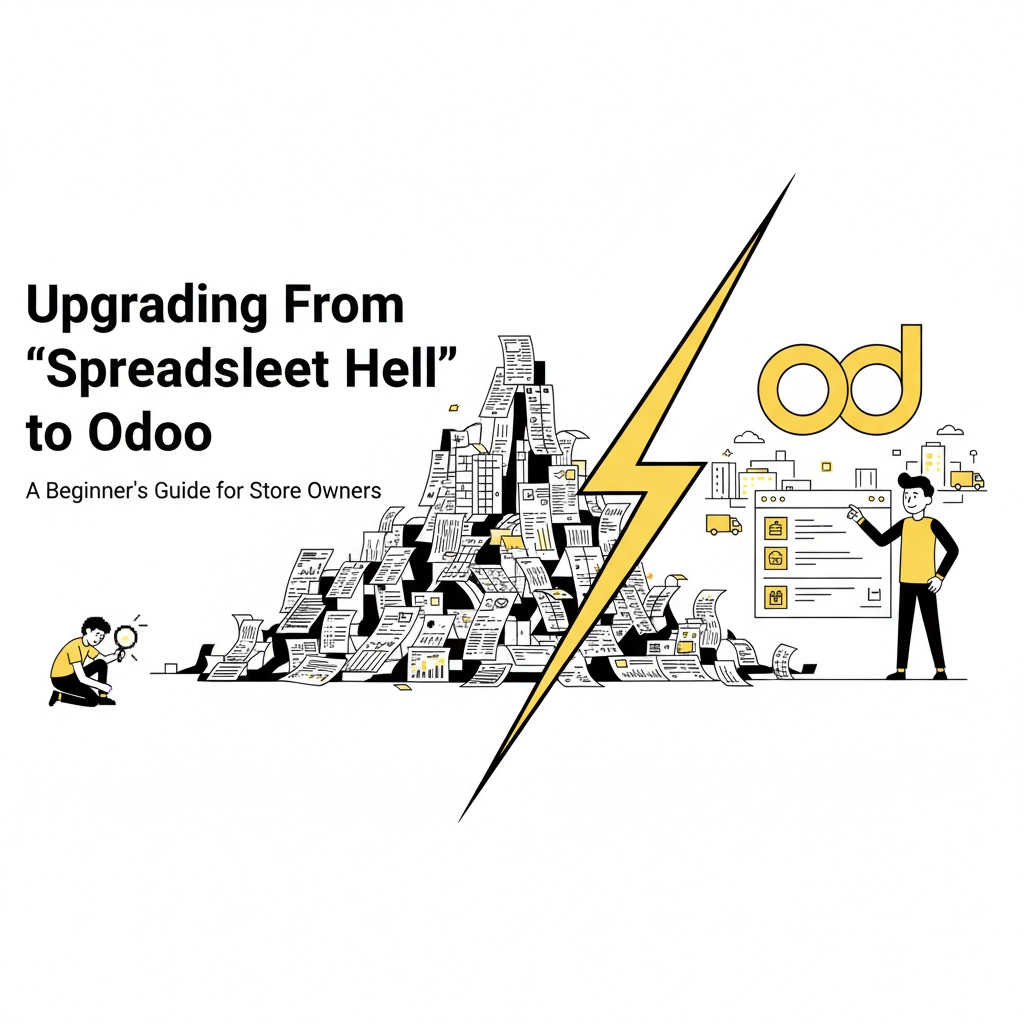


Let's be honest – if you're running a retail store and still managing everything through spreadsheets, you know exactly what "spreadsheet hell" feels like. Those endless Excel files with names like "Inventory_FINAL_v3_REALLY_FINAL.xlsx" scattered across your desktop. The panic when you realize you've been updating last week's version of your sales tracker. The sinking feeling when formulas break and you can't figure out why your numbers don't add up.
You're not alone, and there's a way out. Enter Odoo – a comprehensive business management platform that's specifically designed to rescue small and medium-sized retailers from the chaos of spreadsheet management. Think of it as upgrading from a flip phone to a smartphone, but for your entire business operations.
When you first started your store, spreadsheets probably felt like a smart, cost-effective solution. Track inventory in one file, sales in another, customer info in a third – simple enough, right? But as your business grows, this system quickly becomes your worst enemy.
Here's what typically happens: You end up with multiple versions of the same file floating around. Your staff updates one version while you're working on another. Manual data entry errors creep in. You spend hours each week just maintaining and updating files instead of actually running your business. Worst of all, you never have real-time visibility into your operations – by the time you've compiled your weekly reports, the data is already outdated.
The breaking point usually comes when you realize you're spending more time managing your data than using it to make decisions. That's when you know it's time for something better.
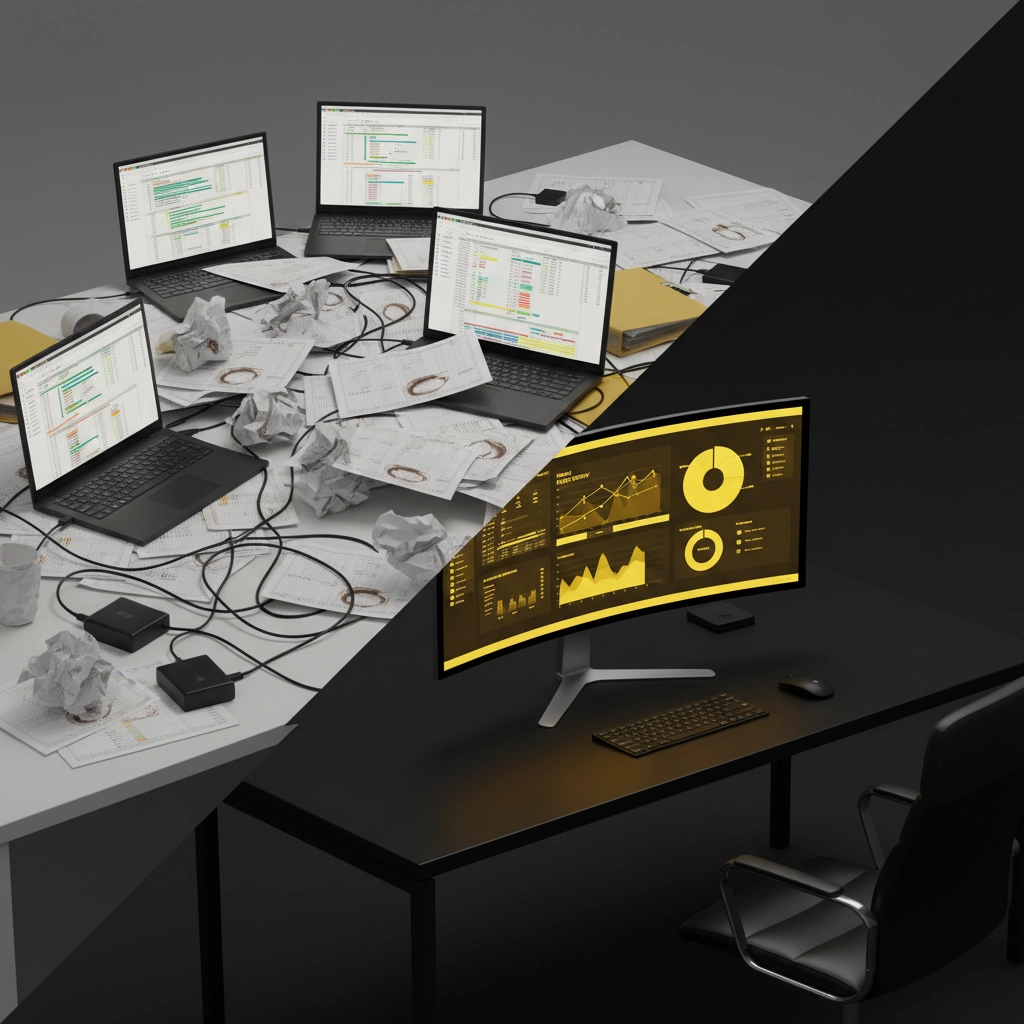
Odoo is an open-source business management platform that brings all your store operations under one roof. Instead of juggling separate spreadsheets for inventory, sales, customers, and accounting, everything lives in a single, integrated system that updates in real-time.
What makes Odoo particularly attractive for store owners is its modular approach. You don't need to implement everything at once – start with the basics like inventory and point-of-sale, then gradually add modules for customer relationship management, e-commerce, accounting, or whatever else your business needs.
The platform is designed with small to medium-sized businesses in mind, which means it's powerful enough to handle complex retail operations but not so overwhelming that you need a dedicated IT team to run it. Plus, being open-source means you're not locked into expensive licensing fees that eat into your margins.
Real-Time Everything: Remember waiting until the end of the week to see how sales were doing? With Odoo, your dashboard updates automatically as transactions happen. You can see today's sales, current inventory levels, and customer trends without manually refreshing anything. It's like having a live feed of your business health.
No More Version Control Nightmares: Everyone works from the same system with the same data. When your cashier processes a sale, inventory automatically updates, accounting records are created, and customer information is captured – all in one place, instantly.
Automated Reporting That Actually Helps: Odoo's reporting tools work like advanced spreadsheets but pull data directly from your live business operations. Create a sales analysis once, and it automatically updates with fresh data every day. Need to see which products are your top performers? Which customers buy the most? How seasonal trends affect your inventory? The system builds these reports for you.
Integration with Modern POS Systems: Here's where things get really interesting for forward-thinking retailers. Odoo plays beautifully with modern point-of-sale hardware, including self-checkout kiosks and advanced POS terminals. This means you can combine the efficiency of automated checkout systems with the powerful backend management that Odoo provides.

Picture this: A customer calls asking about a specific product. Instead of putting them on hold while you check three different spreadsheets, you pull up their information in Odoo and instantly see their purchase history, current inventory levels, and can even process their order right there on the call.
Or imagine running a flash sale. In the spreadsheet world, you'd manually track sales throughout the day, hoping your inventory counts are accurate, then spend hours afterward updating everything. With Odoo, you watch sales happen in real-time, inventory adjusts automatically, and you can make informed decisions about extending or modifying the sale based on actual data.
The seasonal retail scenario is another winner. Instead of frantically updating inventory spreadsheets as holiday merchandise arrives, Odoo tracks everything automatically. You can see at a glance what's selling fast, what's sitting on shelves, and make reorder decisions based on real demand patterns rather than gut feelings and outdated reports.
Start Small, Think Big: Don't try to implement everything at once. Begin with your biggest pain points – usually inventory management and basic sales tracking. Get comfortable with these core functions before expanding into more advanced features.
Data Migration Strategy: Yes, you'll need to get your existing data into Odoo, but it's not as scary as it sounds. Start by cleaning up your current spreadsheets (now's a great time to get rid of duplicate entries and outdated information), then import the essential data first. Customer lists, core inventory, and basic product information are your priorities.
Train Your Team Gradually: Introduce new features to your staff as you implement them. Most people find Odoo more intuitive than juggling multiple spreadsheets, but give everyone time to adjust. The learning curve is comparable to other business systems, but the payoff is much higher.
Set Realistic Timelines: Plan for a gradual transition over 2-3 months rather than trying to switch everything overnight. This gives you time to work out any kinks and ensures your daily operations don't get disrupted.
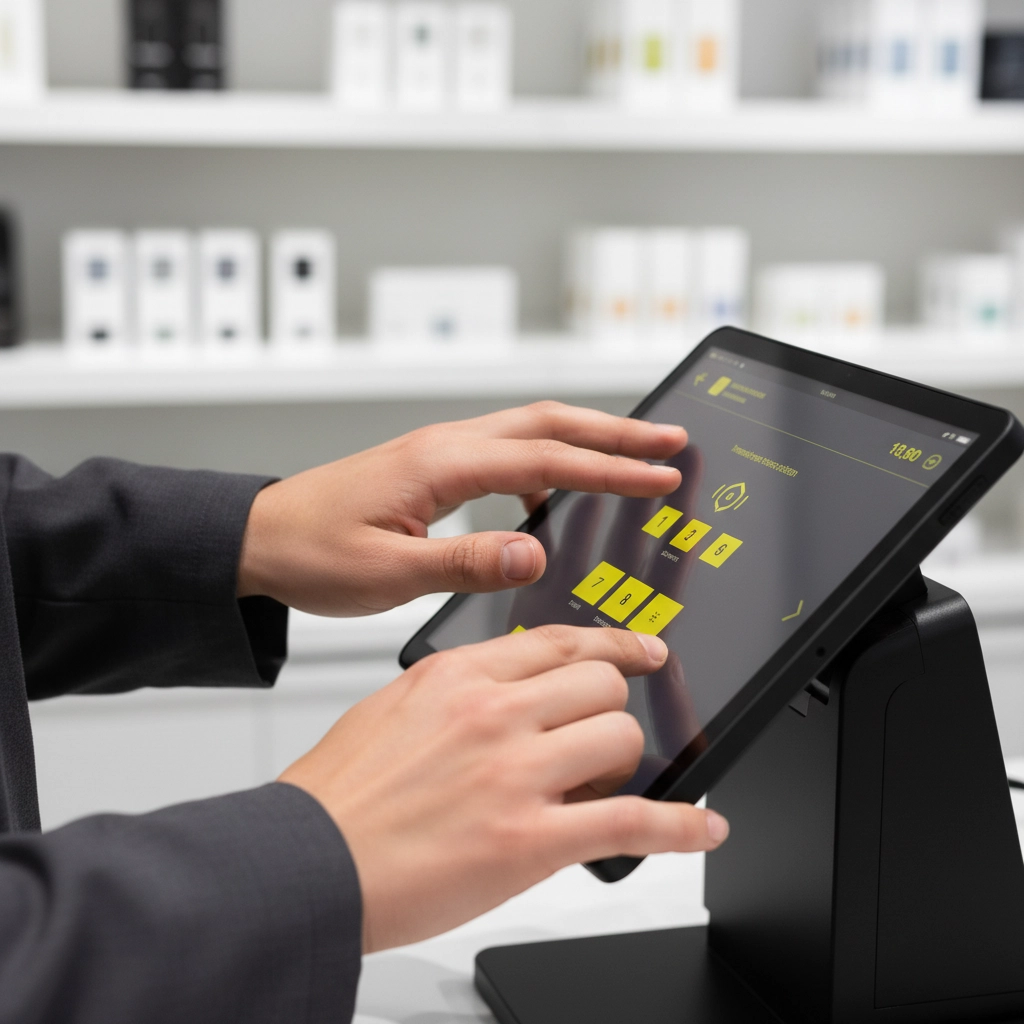
Here's where the future gets exciting. Combining Odoo's backend power with modern POS technology creates a retail experience that's both efficient for you and convenient for customers. Think self-checkout kiosks that automatically update your Odoo inventory, or advanced POS terminals that capture detailed customer data for your CRM – all seamlessly integrated.
This integration means your customers get faster checkout experiences while you get better data and reduced labor costs. It's a win-win that positions your store for the future of retail.
The transition from spreadsheets to Odoo represents more than just a software upgrade – it's about evolving your business operations to match your growth ambitions. You'll spend less time on data management and more time on what really matters: serving customers and growing your business.
The best part? You don't have to figure this out alone. Modern retail technology solutions, including advanced POS systems that integrate seamlessly with platforms like Odoo, are designed to make this transition smooth and profitable.
Ready to see how modern POS technology can work with your new Odoo system? Explore BK Touch's retail solutions and discover how the right hardware can amplify the benefits of your upgraded business management platform. Because when your POS hardware and business software work together seamlessly, that's when the real magic happens.
Your future self – the one who's running a streamlined, data-driven retail operation – will thank you for making the move today.


