



If you're running multiple locations, you know the headache: one store is out of stock while another is drowning in inventory. Your sales data is scattered across different systems. And don't even get me started on trying to get a real-time view of what's happening across all your stores.
Sound familiar? You're not alone.
The big question facing multi-location retailers right now is whether to stick with traditional POS systems or make the leap to unified commerce. It's not just about fancy tech: it's about whether you can actually run your business efficiently without losing your mind.
Let's break down both options so you can make the right call for your stores.
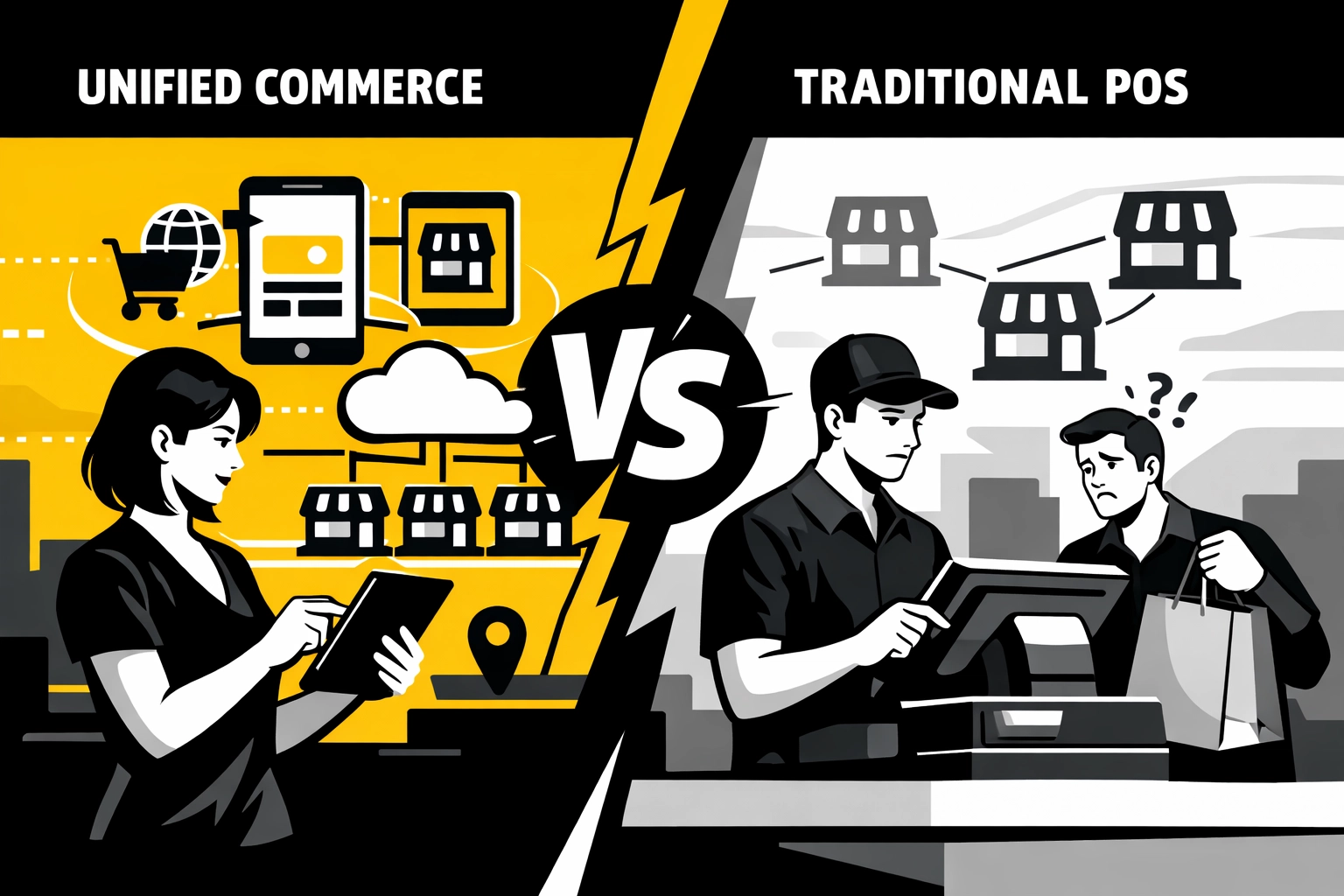
Traditional POS systems are what most retailers have been using for years. They're essentially cash registers on steroids: handling transactions, printing receipts, and storing data locally at each location.
Here's the thing: they work fine for single-location stores. But once you start opening second, third, or tenth locations? That's when the cracks start showing.
Each store operates like its own island. Data lives on-site, inventory updates are manual, and if you want to see how your Chicago store is performing, you'd better hope someone sends you a report. Eventually. Maybe.
Unified commerce takes a completely different approach. Instead of storing everything locally, it lives in the cloud and connects all your channels: physical stores, online shops, mobile apps, pop-up locations: into one central system.
Think of it like this: traditional POS is like having separate email accounts for every store. Unified commerce is like having everything in one Gmail account you can access anywhere.
The difference? You get real-time visibility across your entire operation, from anywhere, on any device.
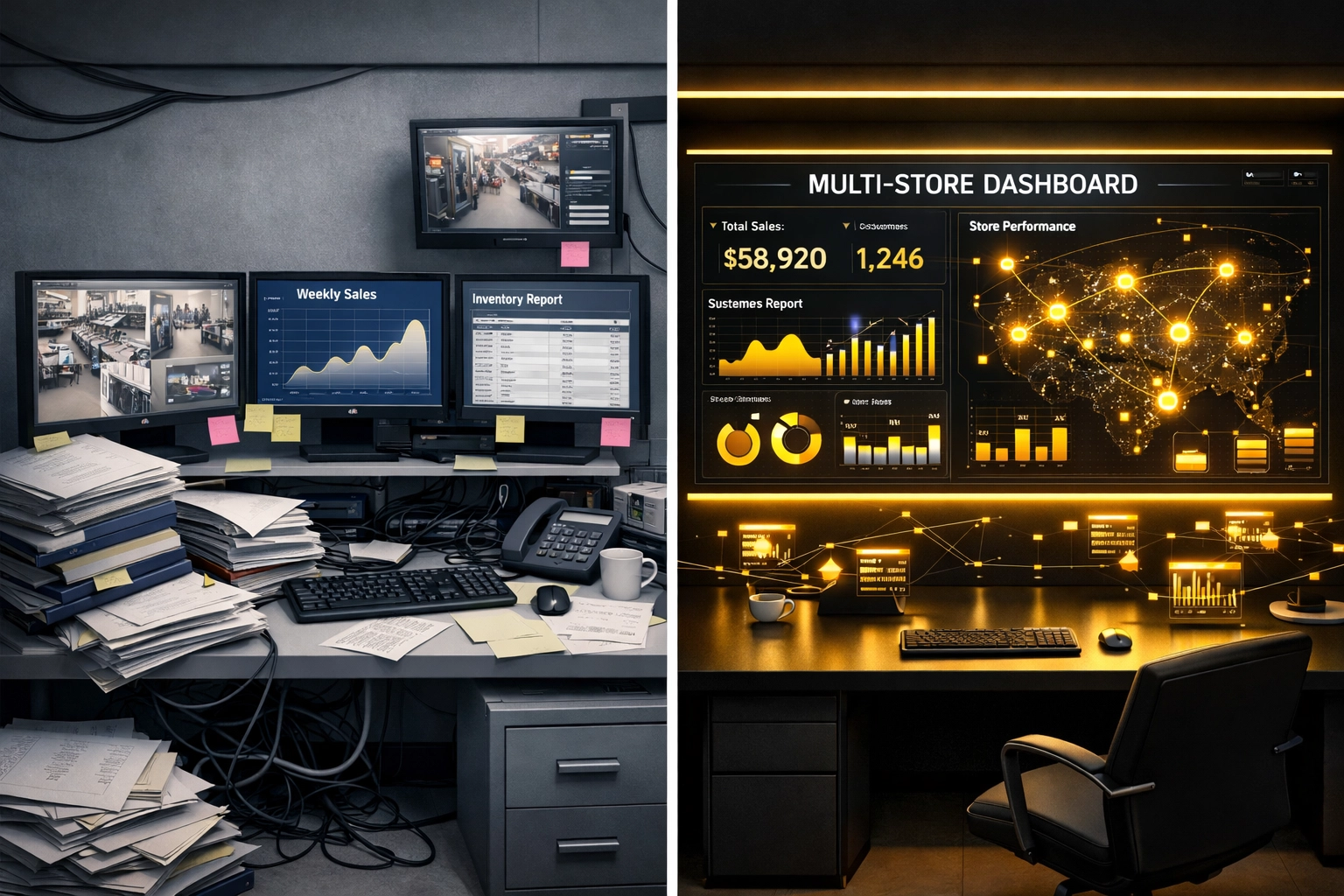
With traditional POS systems, your transaction and inventory data is locked up in each individual store. Want to compare performance across locations? You're manually pulling reports and playing spreadsheet detective.
Unified commerce centralizes everything. Sales, inventory, customer data: it's all synced automatically and accessible from a single dashboard. You can be sitting at home in your pajamas and know exactly what's happening at every location in real-time.
For multi-location operations, this isn't just convenient: it's essential for making smart decisions quickly.
Here's a scenario: Your downtown store is slammed on a Saturday, running low on a hot-selling item. Meanwhile, your suburban location has plenty sitting on shelves.
With a traditional POS, you wouldn't know this until it's too late. With unified commerce, you see it happening in real-time and can transfer inventory or redirect online orders to fulfill from the store with stock.
The system also provides automatic software updates and patches remotely, so all your locations stay current without requiring on-site IT visits. That alone saves countless hours and headaches when you're managing multiple stores.
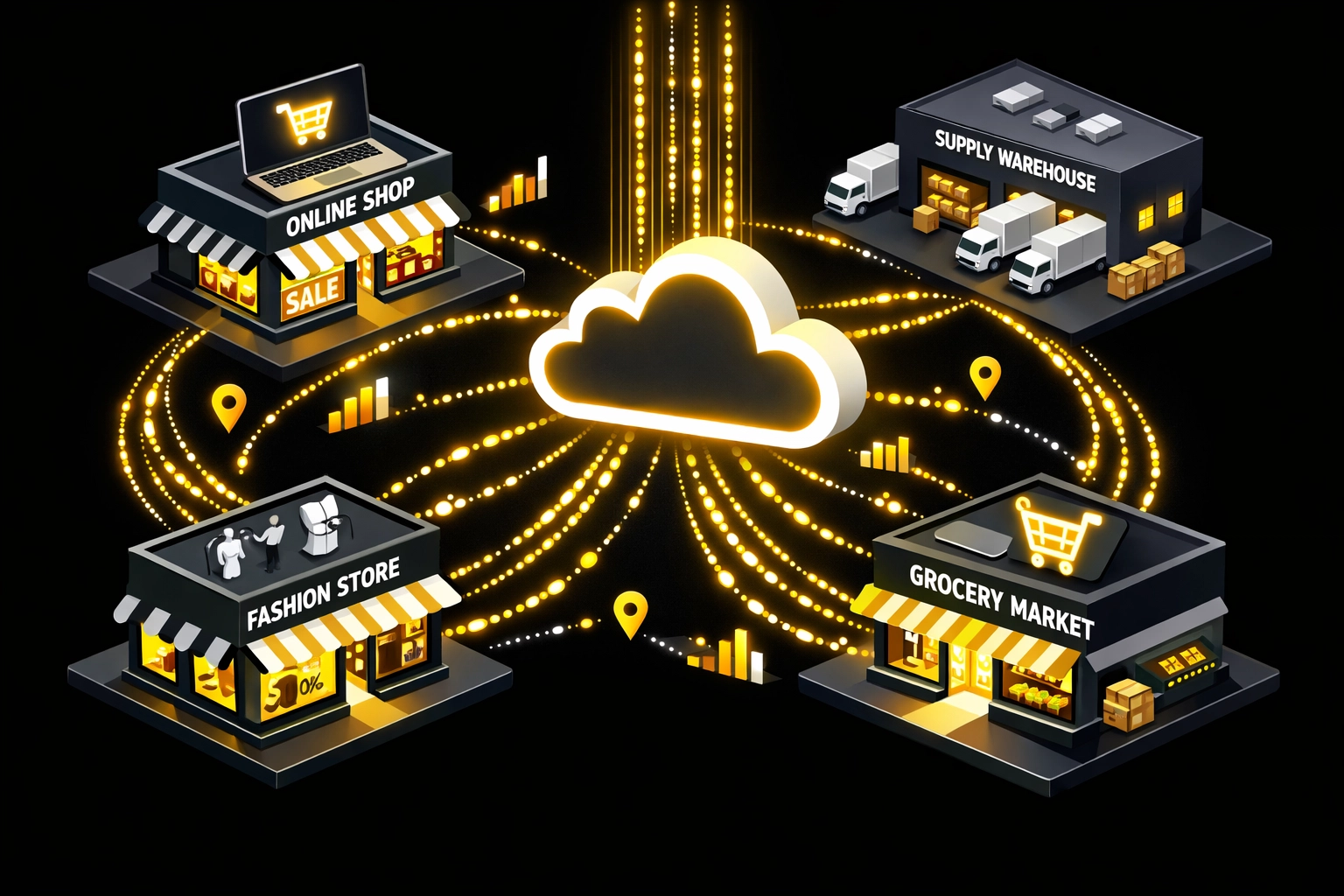
This is where unified commerce really earns its keep. Remember that "Endless Aisle" concept everyone's talking about? It's a game-changer for multi-location retailers.
With unified commerce, you get a holistic view of inventory regardless of which store or fulfillment location it's sitting in. A customer at Store A can buy something that's only in stock at Store B, and the system handles it seamlessly.
Traditional POS systems can't do this. Each location's inventory is siloed, limiting your ability to fulfill orders from alternative locations or optimize stock distribution across your footprint.
For growing retailers, this capability directly translates to more sales and fewer disappointed customers.
Let's be honest: customers don't care about your backend systems. They just want a seamless experience.
Traditional POS systems are channel-specific: designed for brick-and-mortar OR online, but not both. This creates friction when customers want to buy online and pick up in-store, or return an online purchase at a physical location.
Unified commerce is channel-agnostic. It doesn't matter if your customer starts shopping on their phone, continues on their laptop, and finishes in-store: the experience is consistent and their cart, preferences, and purchase history follow them everywhere.
For multi-location stores, this means your customers can shop and transact seamlessly across your entire footprint, building loyalty and increasing lifetime value.
Anyone who's managed traditional POS systems across multiple locations knows the vendor headache. Payment processing from one company, hardware from another, software from a third: and when something breaks, everyone points fingers.
Unified commerce platforms provide remote device management, allowing your IT team to monitor, fix, and configure POS devices from a central dashboard. No more emergency on-site visits to stores hours away because a terminal went down.
This centralized approach cuts down maintenance time dramatically and keeps all locations running smoothly without the multi-vendor blame game.
Here's where we get real about hardware compatibility: because even the best unified commerce software won't help if your hardware can't keep up.
BK Touch devices like our A8 POS and K22s Self Checkout Kiosk are specifically designed to work seamlessly with modern unified commerce platforms. They're cloud-ready, support remote management, and integrate with leading systems right out of the box.
Whether you're running Odoo ERP for your unified commerce backbone or another platform, our hardware is built to deliver reliability across all your locations. No proprietary lock-in, no compatibility headaches: just hardware that works.
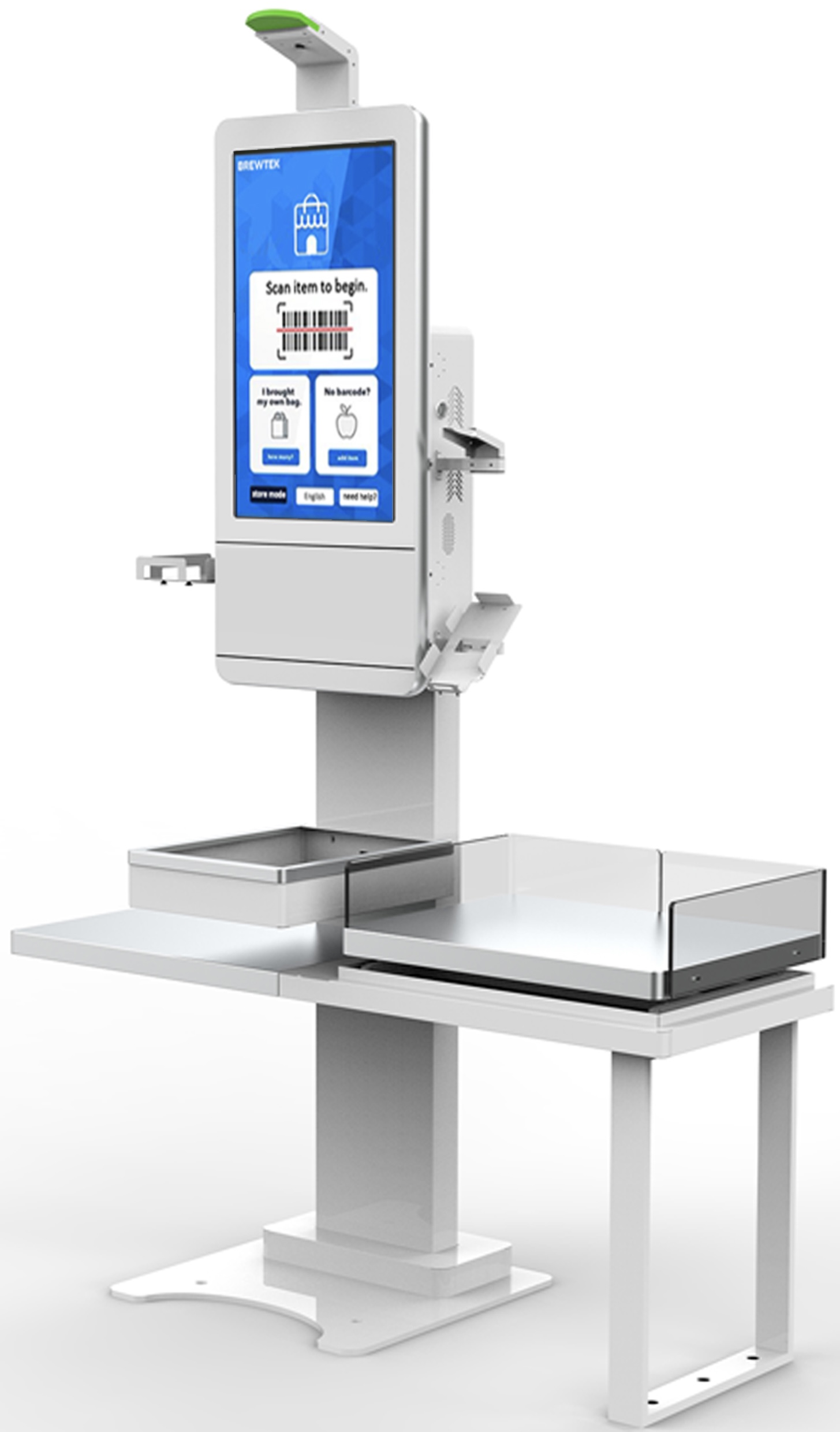
Plus, with Android-based systems, you get flexibility for custom apps and integrations that traditional closed systems simply can't offer.
If you're exploring unified commerce platforms, Odoo deserves serious consideration: especially for multi-location retailers looking for an all-in-one solution.
What makes Odoo particularly attractive is that you can try it for free. One Odoo app is free forever, so you can start small and scale up. If you need more than one app, there's a standard 15-day trial, but here's the insider tip: BK Touch can offer up to a 30-day trial, giving you real hands-on time to test how unified commerce transforms your multi-location operations.
That extra trial time matters when you're evaluating a system that'll run your entire business. You can actually put it through real-world scenarios across multiple stores and see the benefits firsthand.
Let's cut to the chase: if you're running multiple locations, unified commerce is the clear winner.
Traditional POS systems might be cheaper upfront, but they cost you in efficiency, visibility, and growth potential. Every hour spent manually consolidating reports, every lost sale from inventory gaps, every frustrated customer dealing with disjointed experiences: those are the real costs of sticking with traditional systems.
Unified commerce gives you:
The only scenario where traditional POS makes sense? If you're truly a single-location business with no plans to expand and no online presence. Even then, you're limiting your future options.
Multi-location retail is complex enough without your technology making it harder. Unified commerce eliminates the fragmentation, gives you the visibility you need, and provides the foundation for scalable growth.
At BK Touch, we're seeing more multi-location retailers make this transition every month: and the results speak for themselves. Better inventory management, happier customers, and operations teams that can finally breathe.
Want to explore how unified commerce could work for your stores? Check out our hardware solutions built specifically for modern unified commerce platforms, or reach out to our team to discuss your multi-location needs.
Your future self (and your store managers) will thank you.


