

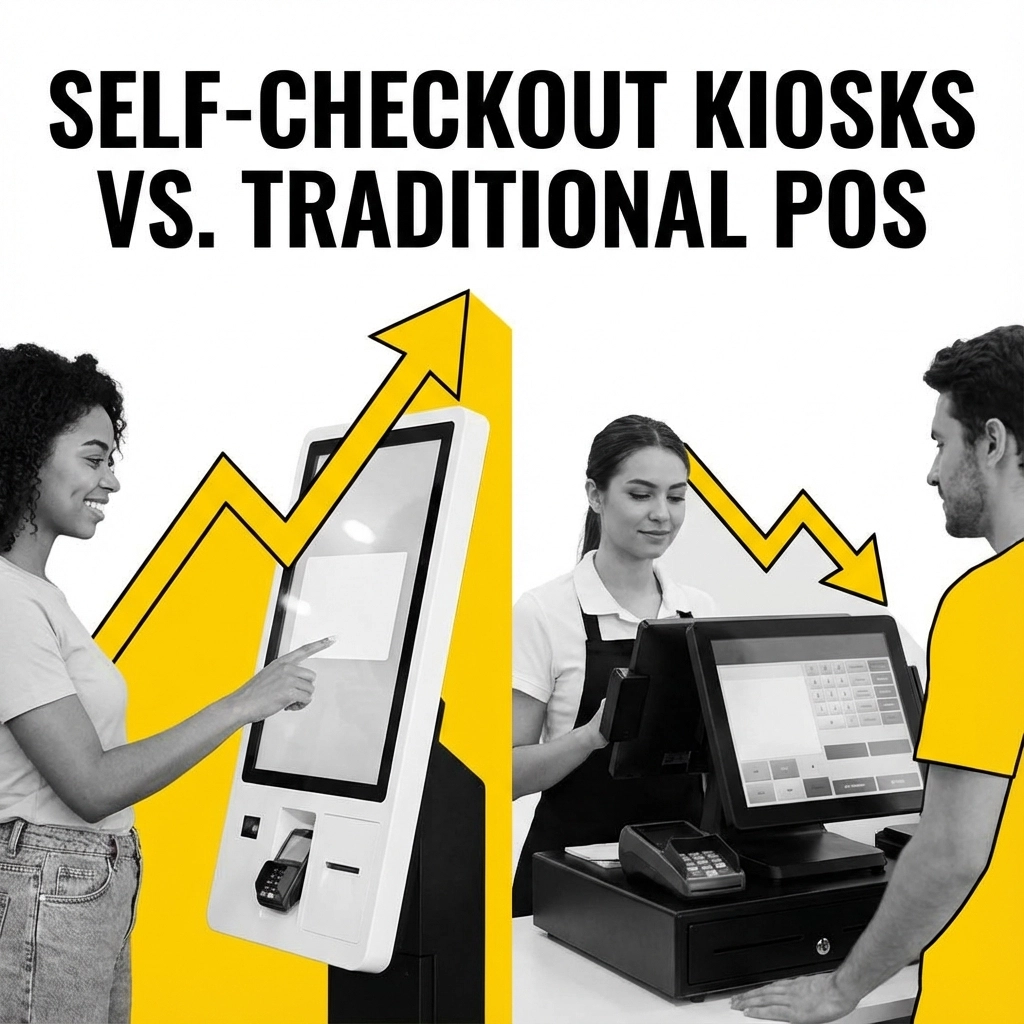


Picture this: It's 7:30 AM on a Tuesday, and your convenience store is buzzing with the morning rush. Coffee-craving commuters are lined up six deep, checking their watches and tapping their feet. Sound familiar? If you're a cstore owner dealing with peak-hour chaos, you've probably wondered whether those sleek self-checkout kiosks could be your salvation: or just an expensive headache.
Let's dive into the nitty-gritty of self-service technology versus traditional POS systems and figure out which one actually puts more money in your pocket.
Self-checkout kiosks aren't just shiny new toys anymore: they're becoming the backbone of modern retail operations. But here's the thing: not all convenience stores are created equal, and what works for a bustling urban location might flop in a small-town setting.
Speed Demons and Customer Flow
Here's a number that'll grab your attention: self-checkout systems process transactions 30% faster than traditional checkout methods. That's not just marketing fluff: it's the difference between customers bolting for the competition and actually making it through your line.
When 73% of shoppers prioritize speed and convenience above everything else, those extra seconds matter. Self-service kiosks can slash ordering time by nearly 40%, which is a game-changer during those brutal morning and evening rushes when every second counts.
The Labor Efficiency Game Changer
Here's where things get really interesting from an ROI perspective. One supervisor can manage 4-6 self-checkout terminals compared to the traditional one-staff-per-register model. That's not just about cutting labor costs: it's about reallocating your team to tasks that actually drive revenue.
But here's the kicker for convenience stores specifically: the real goldmine is in automating cash handling. Since cash transactions cost you about 8.3% of the purchase price (compared to roughly 2% for credit cards), and two-thirds of that cost comes from labor-intensive processes like counting, reconciling, and providing change, automation here can seriously boost your bottom line.
The Upsell Effect
Self-ordering kiosks show a surprising 30% increase in average order size. Customers end up purchasing 1.5 times more items, adding an extra $8+ per transaction on average. Why? People feel more comfortable browsing and selecting items without feeling rushed by staff or other customers waiting behind them.
Before we get too carried away with the shiny new tech, let's give credit where it's due. Traditional POS systems have been keeping convenience stores running smoothly for decades, and they've got some serious advantages.
Simplicity and Cash Compatibility
Here's a reality check: 63% of convenience store purchases are still made with cold, hard cash. Traditional POS systems handle cash transactions seamlessly, without the operational gymnastics required to accommodate cash in self-service environments.
Your staff already knows how to use traditional systems, customers are comfortable with them, and there's no learning curve eating into your operational efficiency during the transition period.
The Human Touch Factor
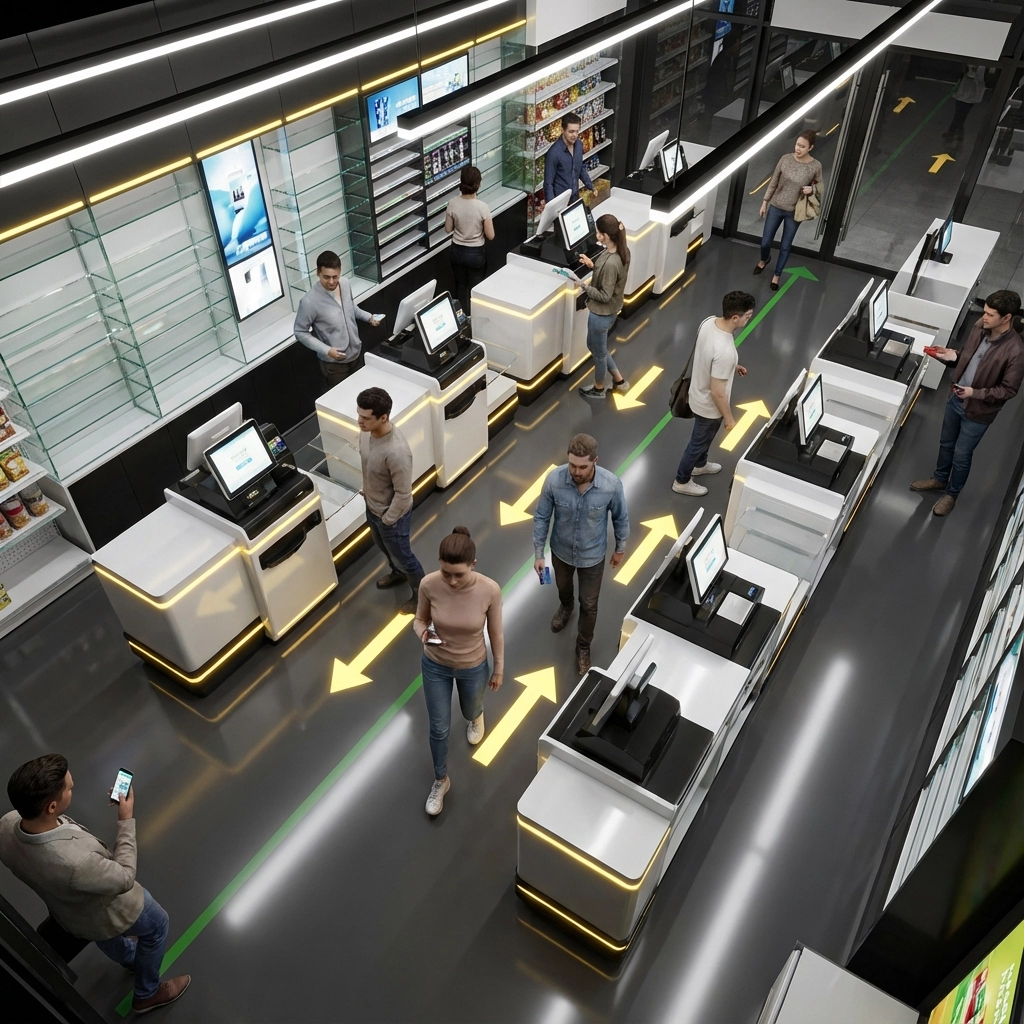
Never underestimate the power of personal service, especially in smaller communities where customers appreciate that friendly "good morning" and remember when staff know their regular orders. Traditional checkout allows for genuine customer relationship building, which can drive loyalty and repeat business.
When it comes to return on investment, the picture gets complex fast. Self-checkout kiosks typically deliver ROI within 15-18 months for moderate-traffic stores, and can hit payback in under 12 months for high-traffic urban locations.
The Investment Breakdown
Here's the plot twist that many cstore owners miss: self-checkout only delivers strong ROI when it includes automated cash handling capabilities. If you install cashless-only kiosks, you're still stuck processing all those cash transactions at traditional registers, which eliminates most of the labor savings.
This is why the payment mix at your specific location is crucial. If you're in an area where card and digital payments dominate (at least 50% of transactions), self-checkout becomes much more attractive. But if you're still seeing heavy cash usage, you'll need either automated cash handling or a hybrid approach.
Go Self-Checkout If:
Stick with Traditional POS If:
Consider Going Hybrid If:
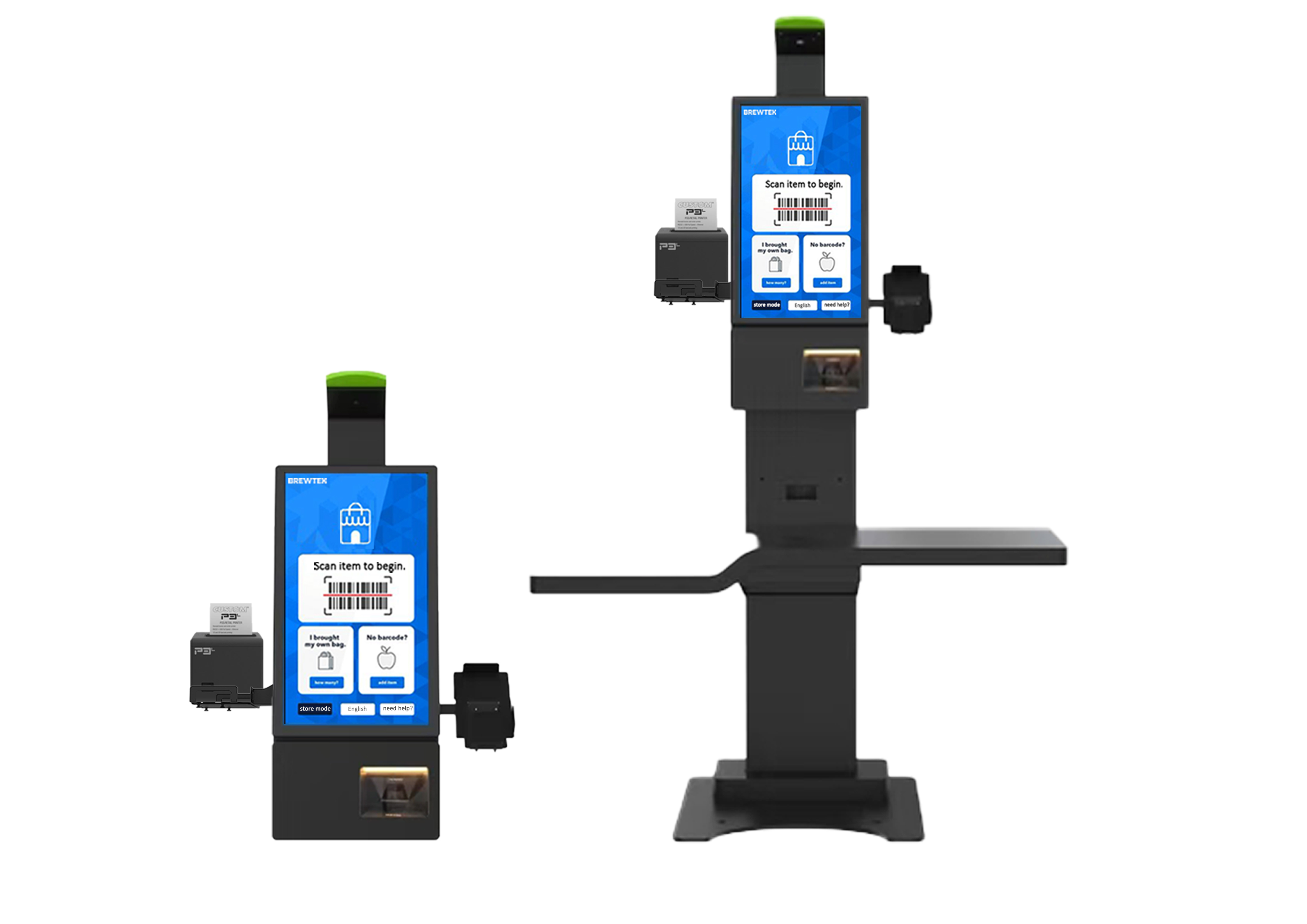
Many successful convenience stores are finding success with a combination approach. Use self-checkout for quick, small purchases and card transactions, while keeping traditional POS for larger orders, cash payments, and age-restricted items.
This strategy lets you capture the efficiency gains during peak hours while maintaining the flexibility to serve all customer preferences. It's like having a sports car for the highway and a pickup truck for hauling: each tool optimized for its specific job.
The choice between self-checkout kiosks and traditional POS isn't really about picking one technology over another: it's about matching the right solution to your specific customer base, payment patterns, and operational goals.
Self-checkout delivers impressive ROI when implemented correctly, but "correctly" means understanding your cash flow, customer preferences, and peak-hour patterns. Traditional POS remains a solid choice for many convenience stores, especially those serving cash-heavy customer bases or prioritizing personal service.
Ready to explore how modern retail technology can transform your convenience store operations? Whether you're leaning toward self-service kiosks, upgrading your traditional POS, or considering a hybrid approach, the team at BK Touch can help you navigate the options and find the perfect fit for your business. Contact us to discuss your specific needs and discover how the right technology mix can boost your ROI and keep your customers coming back.
Because at the end of the day, the best checkout system is the one that makes your customers happy, your staff more productive, and your bottom line healthier.


