


Running a grocery store feels like juggling flaming torches while riding a unicycle: there's always something demanding your attention. But here's the thing: your point-of-sale system has been quietly collecting a treasure trove of insights that could boost your profits right now. No need for expensive consultants, complex software, or a computer science degree.
Let's dive into the simple data tricks that smart grocers use to squeeze more profit from their stores, and trust us: it's easier than you think.
Every time a customer checks out, your POS system captures valuable intelligence about your business. Most grocery owners barely scratch the surface of this goldmine. While you're focused on restocking shelves and managing staff, your checkout system is tracking patterns that reveal exactly where your money is: and where it's disappearing.
The beauty of modern retail analytics isn't in complex algorithms; it's in asking the right questions of data you already have. Your sales reports from the past 30-60 days contain everything you need to make profitable decisions today.
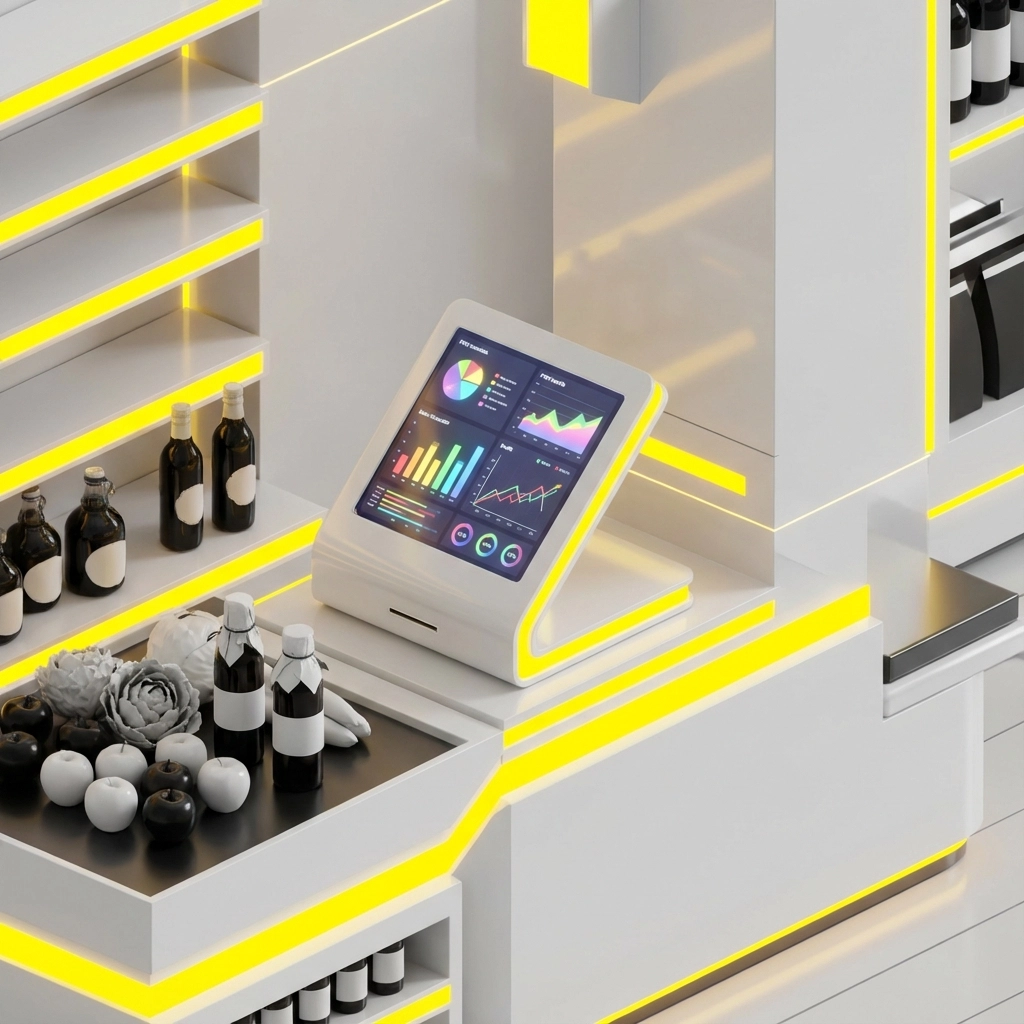
Pull up your sales report and sort products by total revenue and units sold. You're looking for two lists: your top performers and your shelf-warmers.
Your high-velocity items deserve VIP treatment. These products are proven money-makers, so give them prime real estate, ensure they're always in stock, and consider expanding related product lines. If organic bananas are flying off the shelves, maybe it's time to expand your organic produce section.
The slow-movers tell an equally important story. Products sitting on shelves for weeks are tying up cash and often expire before selling: directly eating into your margins. Every expired product represents pure lost profit.
Quick Action: Take your three slowest-moving perishables and either mark them down 20% this week or reduce your next order by 50%. That's immediate cash flow improvement.
Not all sales are created equal. A $50 bottle of olive oil might move slower than $2 candy bars, but which one contributes more to your bottom line?
Break down your sales by profit margin, not just revenue. You'll discover that some categories: often premium or specialty items: generate disproportionate profits despite lower volumes. These are your golden geese.
Once you identify high-margin categories, they become your focus areas. Stock them better, promote them more prominently, and train staff to suggest them. A 10% increase in high-margin sales beats a 20% increase in low-margin volume every time.
If you have any customer data: loyalty cards, repeat customer records, even basic demographics: you're sitting on a personalization goldmine.
Look for patterns in customer behavior. Who buys premium products? Who shops early morning versus evening? Who always purchases the same items? This information lets you create targeted offers instead of store-wide discounts that erode margins.
For example, if data shows that customers who buy premium coffee also purchase organic dairy products, place those items near each other. Or send personalized offers to high-value customers rather than blasting generic promotions to everyone.
Pro tip: Over 80% of customers prefer personalized offers, and targeted promotions dramatically outperform generic discounts in both response rates and profit margins.
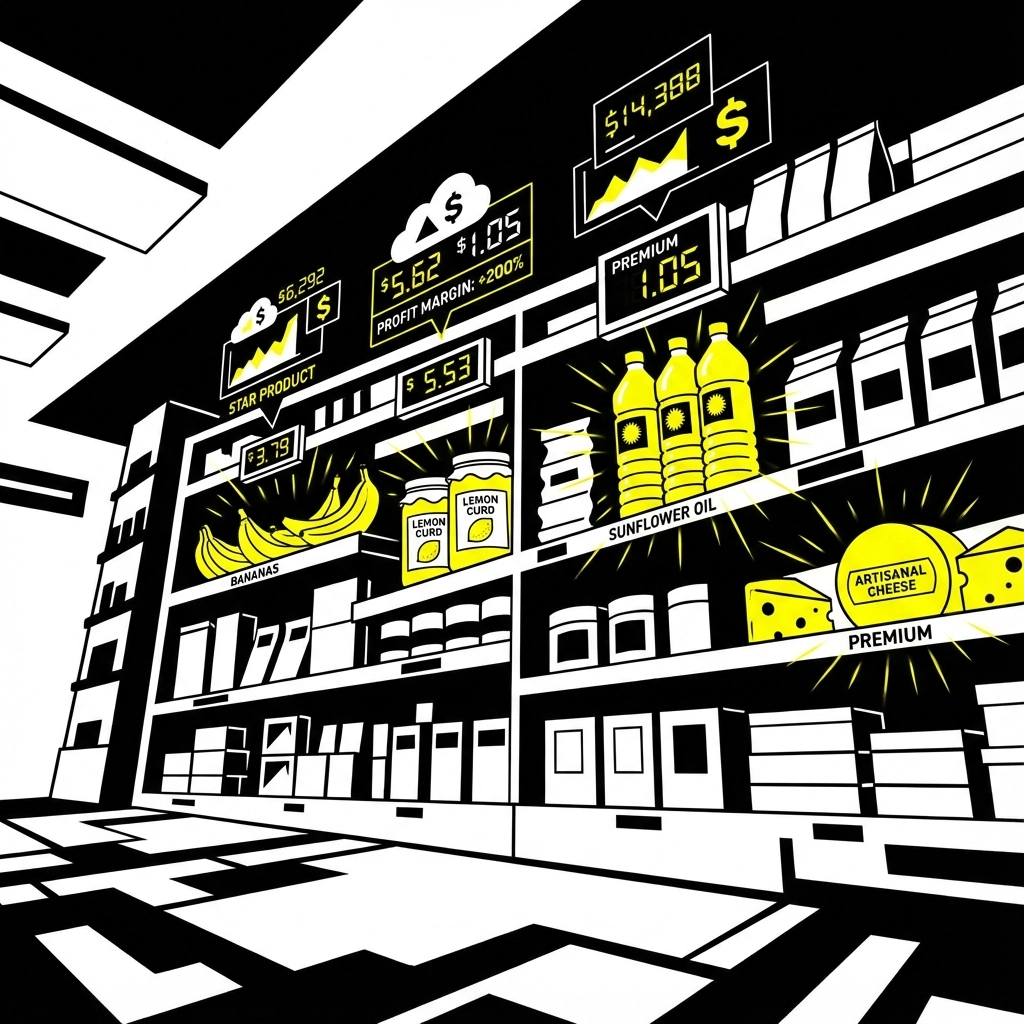
Your data reveals which products have pricing flexibility and which are price-sensitive. Items that customers buy regardless of minor price changes: think essentials or brand loyalists' favorites: offer opportunities for strategic price increases.
Conversely, products with elastic demand might benefit from small price reductions if it increases volume enough to boost overall category profit.
The key is making informed adjustments based on actual purchasing patterns, not gut feelings. A 5% price increase on high-demand, low-sensitivity items often generates more profit than a 15% increase on price-sensitive products.
Shrinkage: lost inventory from expiration, damage, or theft: directly impacts your bottom line. Your POS data can help identify problematic patterns.
Which products consistently expire before selling? Which items show unusual inventory discrepancies? Even small improvements in shrinkage management deliver immediate profit increases.
If certain perishables consistently spoil, reduce order quantities or implement more aggressive promotion schedules. Some grocers reduce waste from 35-45 days of inventory to 15 days, improving cash flow by up to 40%.
Quick win: Track your three highest-waste categories this week. Often, simply monitoring these numbers leads to natural behavioral changes that reduce losses.

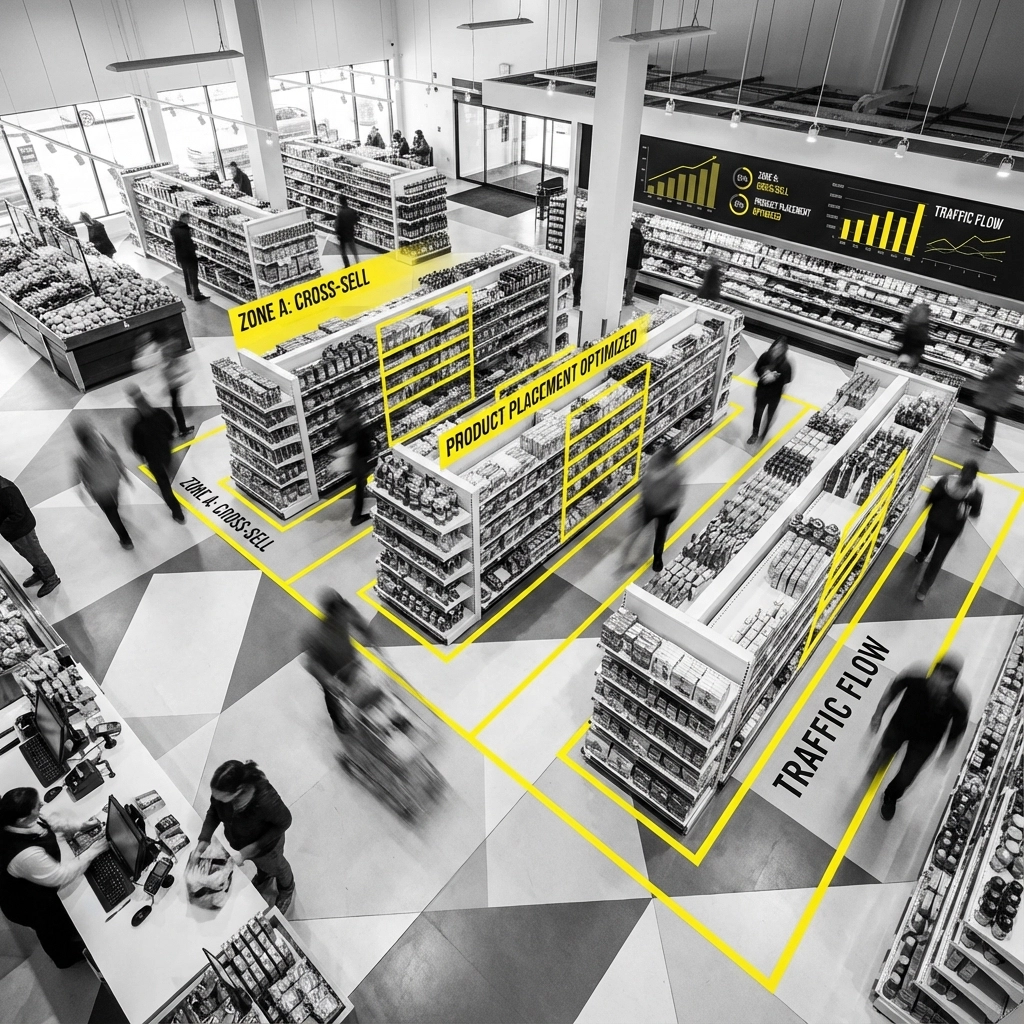
Your transaction data reveals which products customers buy together. These natural partnerships represent untapped profit opportunities.
If customers who buy premium coffee also purchase artisanal pastries, create bundles or place these items strategically near each other. Cross-selling increases basket size without requiring discounts, making it one of the most profitable strategies available.
Look for surprising combinations too. Maybe customers buying baby formula also pick up energy drinks (tired parents!). These insights help you optimize store layout and create unexpected promotional opportunities.
Modern POS systems and retail technology make accessing these insights easier than ever. The key is consistency: spending a few minutes each week reviewing these patterns and making small adjustments.
Consider upgrading to retail technology that makes data analysis even simpler. Advanced checkout systems and integrated analytics platforms can automate much of this analysis, presenting actionable insights without requiring manual report generation.
Once you're comfortable with basic data analysis, consider these slightly more sophisticated strategies:
Seasonal Intelligence: Compare this month's sales to the same period last year. Identify trends and prepare inventory accordingly. Maybe ice cream sales spike earlier than expected, or soup sales decline later than anticipated.
Customer Lifetime Value: Identify your most valuable customers and treat them accordingly. A customer who spends $200 monthly deserves different attention than someone who shops occasionally.
Supplier Performance: Which suppliers consistently deliver products that sell quickly versus those that sit on shelves? This information strengthens your negotiating position and inventory planning.
The right retail technology amplifies these strategies. Modern POS systems, self-checkout kiosks, and integrated payment solutions generate richer data while improving customer experience.
When customers can check out efficiently: whether through traditional cashiers or self-service options: they're more likely to return and spend more. Plus, newer systems provide better analytics out of the box, making these profit-boosting strategies even easier to implement.
Here's your immediate to-do list:
That's it. No spreadsheet wizardry, no consultant fees, no software installation. Just smart decisions based on information you already have.
Turning grocery store data into profit isn't about becoming a data scientist: it's about asking better questions and making informed decisions. Your POS system has been collecting the answers; you just need to start listening.
Every week you delay means leaving money on the table. Start with these five-minute strategies, build the habit of regular data review, and watch how small, informed changes compound into significant profit improvements.
Ready to supercharge your grocery store's profitability with better retail technology and data insights? Contact BK Touch today to learn how our advanced POS solutions and analytics tools can take your profit optimization to the next level. Because when it comes to retail success, the right technology makes all the difference.


