



Let's cut through the noise: you've probably heard all the hype about self-checkout kiosks transforming QSRs. But here's what nobody's telling you: going full self-service isn't always the answer.
Enter the hybrid model: a smart mix of self-service kiosks and good old-fashioned human help. It's the Goldilocks solution that's actually working for fast-casual restaurants, coffee shops, and quick-service joints everywhere. And spoiler alert: it might be exactly what your operation needs.
Think of it this way: hybrid self-checkout is like having the best of both worlds on your restaurant floor. You've got sleek kiosks handling the straightforward orders: your regular customers who know exactly what they want: while your staff focuses on the stuff that actually matters: helping confused first-timers, handling special requests, and delivering that personal touch that keeps people coming back.
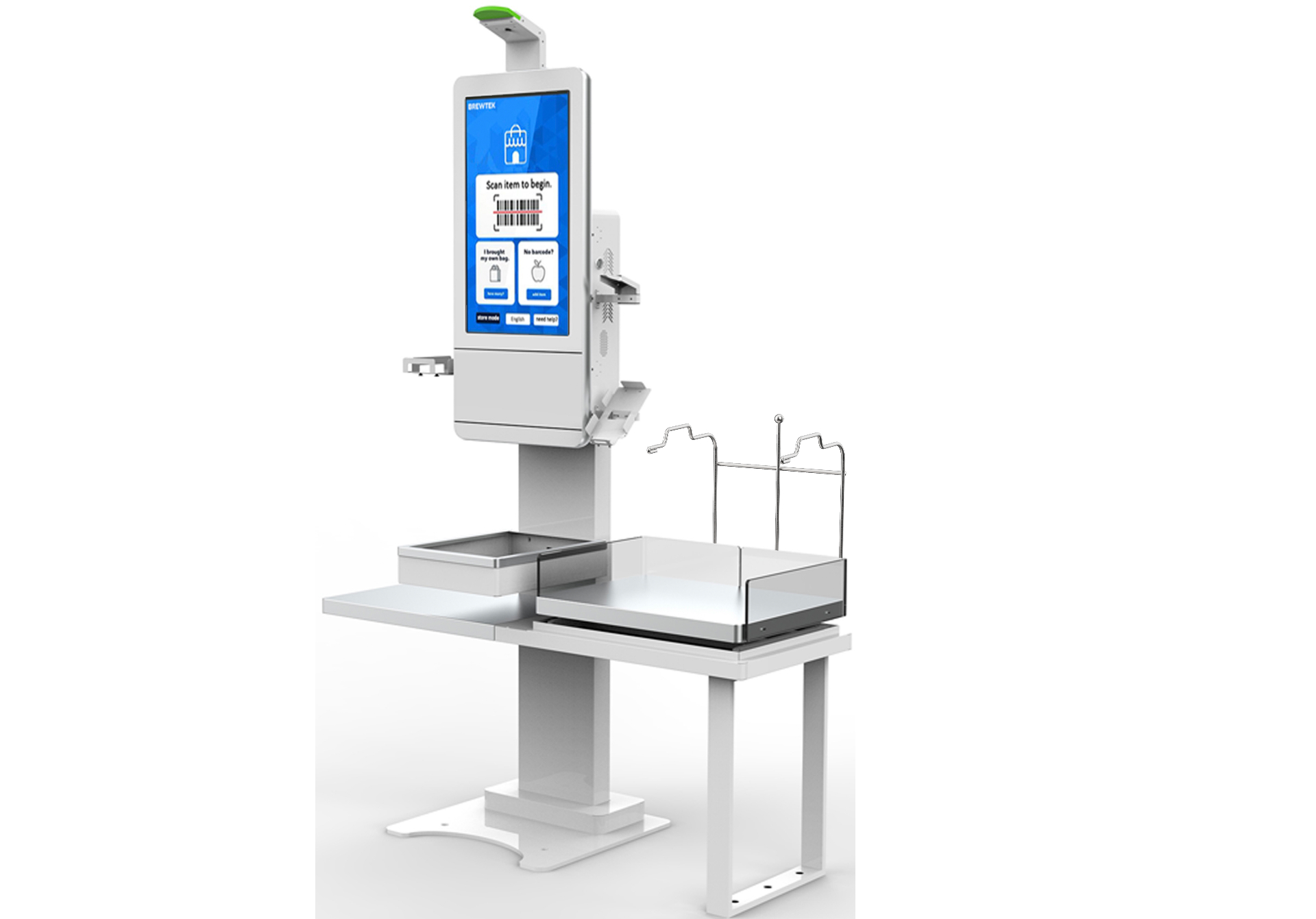
Assisted kiosks take this concept even further. These aren't just "set it and forget it" terminals. They're designed with a roaming staff member nearby who can jump in when needed. Customer can't find the gluten-free option? Staff swoops in. Payment screen freezing? Problem solved in seconds. It's self-service with a safety net.
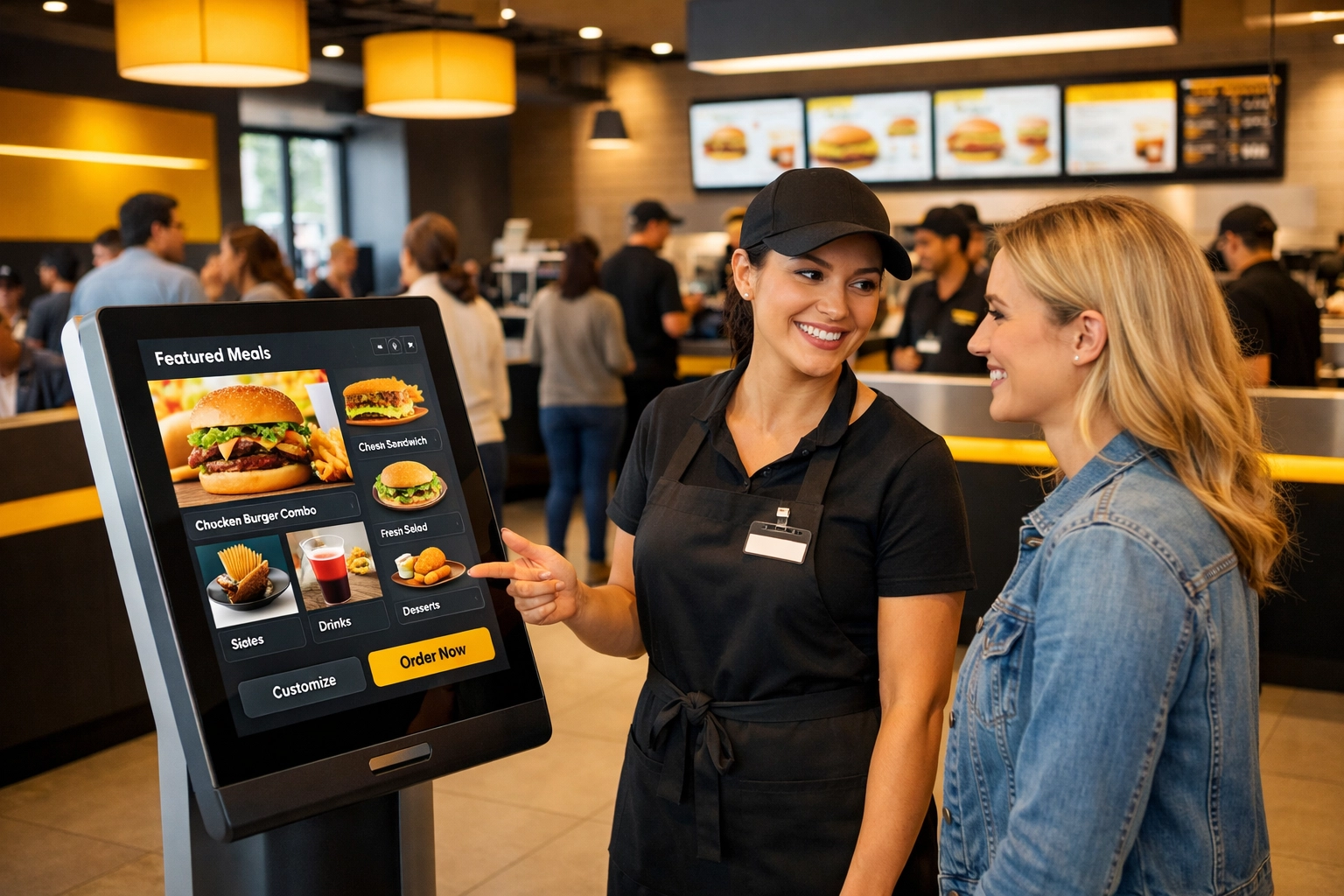
Here's the thing: pure self-service can be a disaster if you're not careful. We've all been stuck behind someone wrestling with a touchscreen, right? But hybrid systems solve this by creating dual tracks for different customer needs.
Your kiosks become workhorses for routine orders. Multiple customers can order simultaneously: no more single-file queue snaking out the door during lunch rush. Meanwhile, your team handles the complex stuff: dietary accommodations, loyalty program questions, and that one customer who wants to know the sodium content of every menu item.
The results? Self-service kiosks cut checkout times by 25% and can slash overall wait times by up to 40%. One major retailer saw an 8% improvement in total transaction times across their entire operation, plus customers were noticeably happier about wait times (we're talking a 5-point bump in their Net Promoter Score).
Let's talk about what customers actually want. Turns out, 85% of customers believe self-service is faster than standing in line. And get this: 66% prefer self-service options when they're available. Your customers are already primed for this: they're just waiting for you to catch up.
But here's where it gets interesting for your bottom line:
Improved order accuracy: When customers review their own selections before submitting, errors drop significantly. Less remakes mean less food waste and fewer angry customers.
Increased capacity without proportional staffing: You can handle way more orders during peak hours without hiring a small army. Your existing team just works smarter.
Reduced labor costs during peaks: You're not scrambling to schedule extra cashiers for the lunch rush. The kiosks handle volume while your lean team manages the floor.
Now, not all kiosk hardware is created equal. You need systems that are fast, intuitive, and: this is crucial: actually built for the chaos of a busy QSR environment.
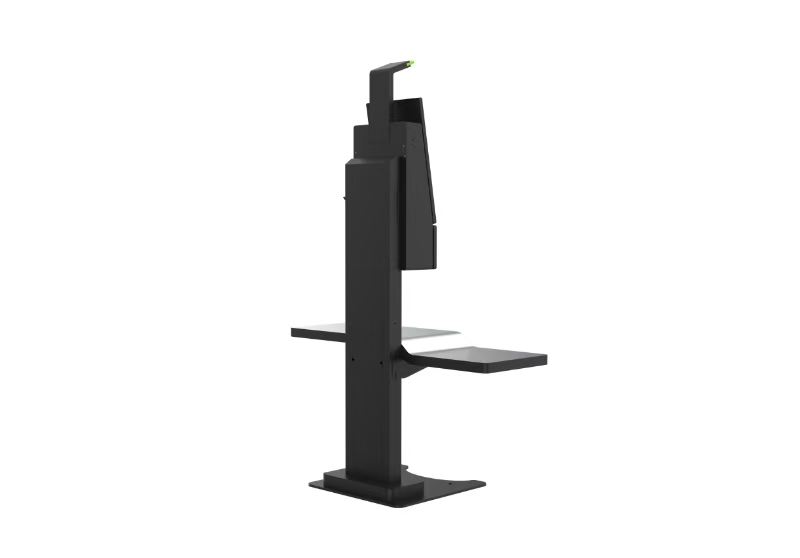
BK Touch kiosks are designed specifically for this hybrid model. Our systems integrate seamlessly with your existing POS, handle high-volume traffic without lagging, and feature interfaces that even your most technophobic customers can navigate. We're talking commercial-grade hardware that doesn't bail on you during the dinner rush.
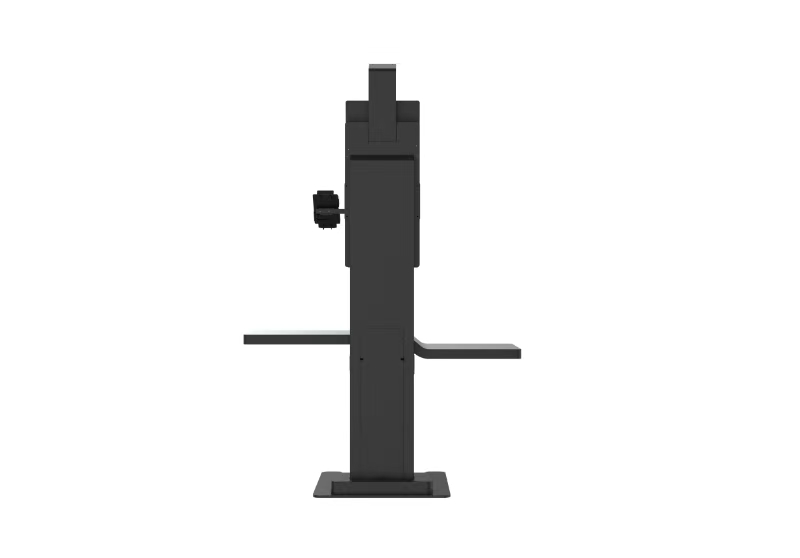
Whether you need a sleek countertop model or a full floor-standing unit, BK Touch offers options that fit your space and your workflow. And because we understand QSR operations, our kiosks are built to take a beating: spills, constant touching, and the occasional impatient customer smack included.
Here's how to actually implement this without losing your mind:
Start with strategic placement: Position kiosks where they're visible but don't create bottlenecks. Your staff needs to be able to float between stations easily.
Train your team differently: They're no longer just order-takers: they're customer experience specialists. They roam, they assist, they handle exceptions. This is actually a more engaging job for many employees.
Keep it light on supervision: One staff member can monitor multiple kiosks. They're there to troubleshoot and assist, not babysit every transaction.
Use queue management: Simple signage directing "simple orders" to kiosks and "need help?" to the counter works wonders. Don't overthink it.
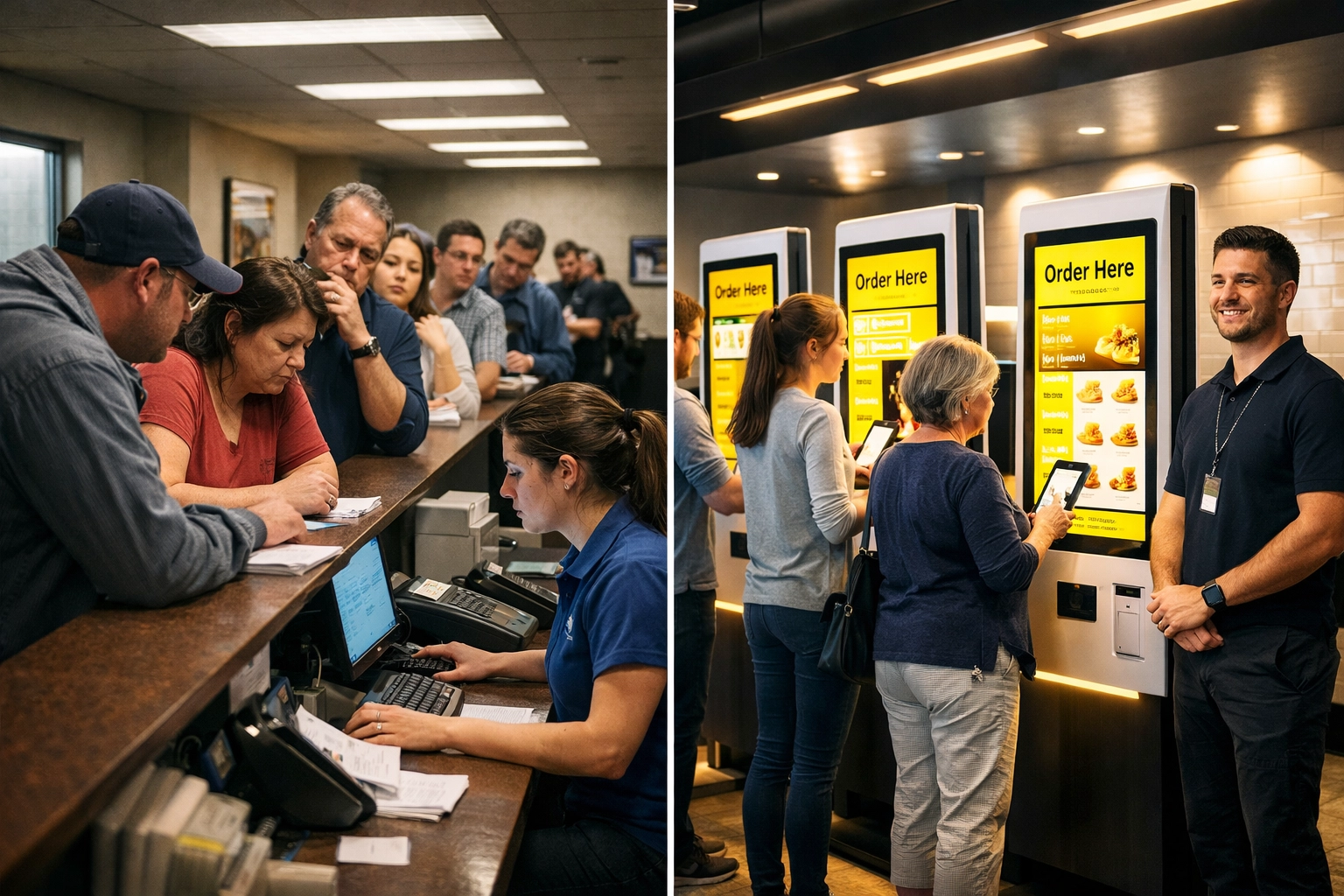
Let's get practical. In a typical lunch rush, you might have 10 customers who know exactly what they want and 3 who need help deciding. With traditional counters, those 3 customers slow down everyone. With hybrid checkout, the 10 zip through kiosks while your staff gives the 3 undecided customers the attention they need: and probably upsells them in the process.
Your kitchen gets steadier order flow instead of chaotic bursts. Your customers are happier because they're in control. Your staff is less stressed because they're not trying to be superheroes at the register. Everybody wins.
Ask yourself these questions:
If you answered yes to most of these, hybrid self-checkout isn't just a nice-to-have: it's probably costing you money to not have it.
Pure self-service might work for some operations, but for most QSRs, the hybrid model is the sweet spot. It handles volume efficiently while maintaining the human element that makes fast-casual dining actually enjoyable.
Your customers get speed and control. Your staff gets to do more meaningful work. Your bottom line gets more orders with less labor stress. And you get to scale your operation without proportionally scaling your headaches.
Ready to explore what hybrid checkout can do for your QSR? Check out BK Touch's kiosk solutions designed specifically for fast-paced restaurant environments. Or better yet, reach out to our team: we'll help you figure out the right setup for your space and your customers.
Because at the end of the day, the best technology is the kind that makes life easier for everyone: your customers, your staff, and yeah, you too.


