

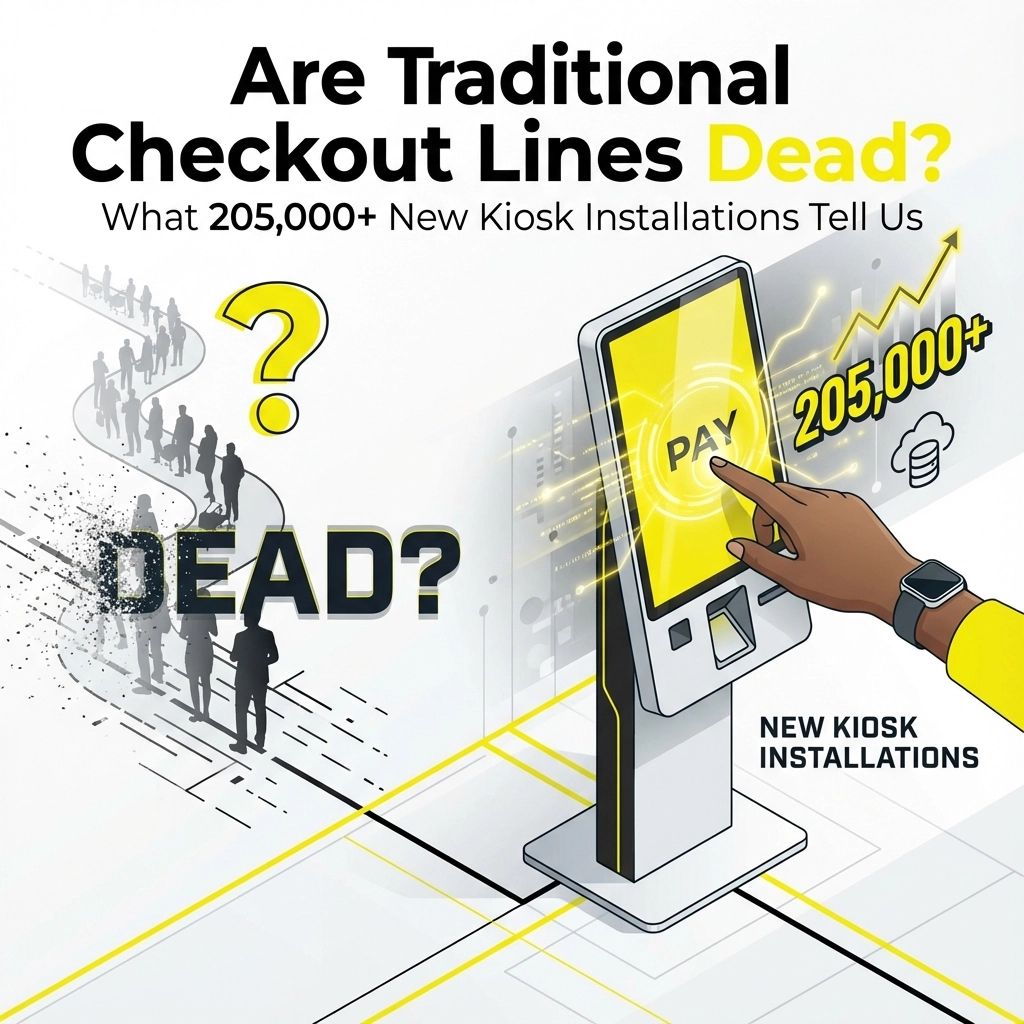


Picture this: You're rushing through your local grocery store, grabbing essentials for dinner, and you're faced with a choice. To your left, there's a traditional checkout lane with a friendly cashier and two people ahead of you. To your right, four gleaming self-checkout kiosks beckon with their promise of speed and efficiency. Which do you choose?
If you're like most shoppers today, that split-second decision reveals everything about the current retail revolution. With over 205,000 new self-service kiosks installed across North America in recent years, we're witnessing the most significant transformation in checkout technology since the invention of the cash register.
But here's the plot twist: traditional checkout lines aren't just surviving, they're fighting back.
While headlines scream about the "death of traditional retail," the reality is far more nuanced and frankly, more interesting. Major retailers like Walmart, Target, and Costco have recently pulled back on their self-checkout expansions, and it's not because they suddenly got nostalgic for the good old days.
The numbers tell a fascinating story of contradiction. On one hand, the self-checkout systems market is projected to explode from $1.5 billion in 2025 to $3.7 billion by 2035, that's a whopping 9.9% annual growth rate. On the other hand, some of retail's biggest names are quietly removing kiosks and bringing back human cashiers.
So what's really going on here?
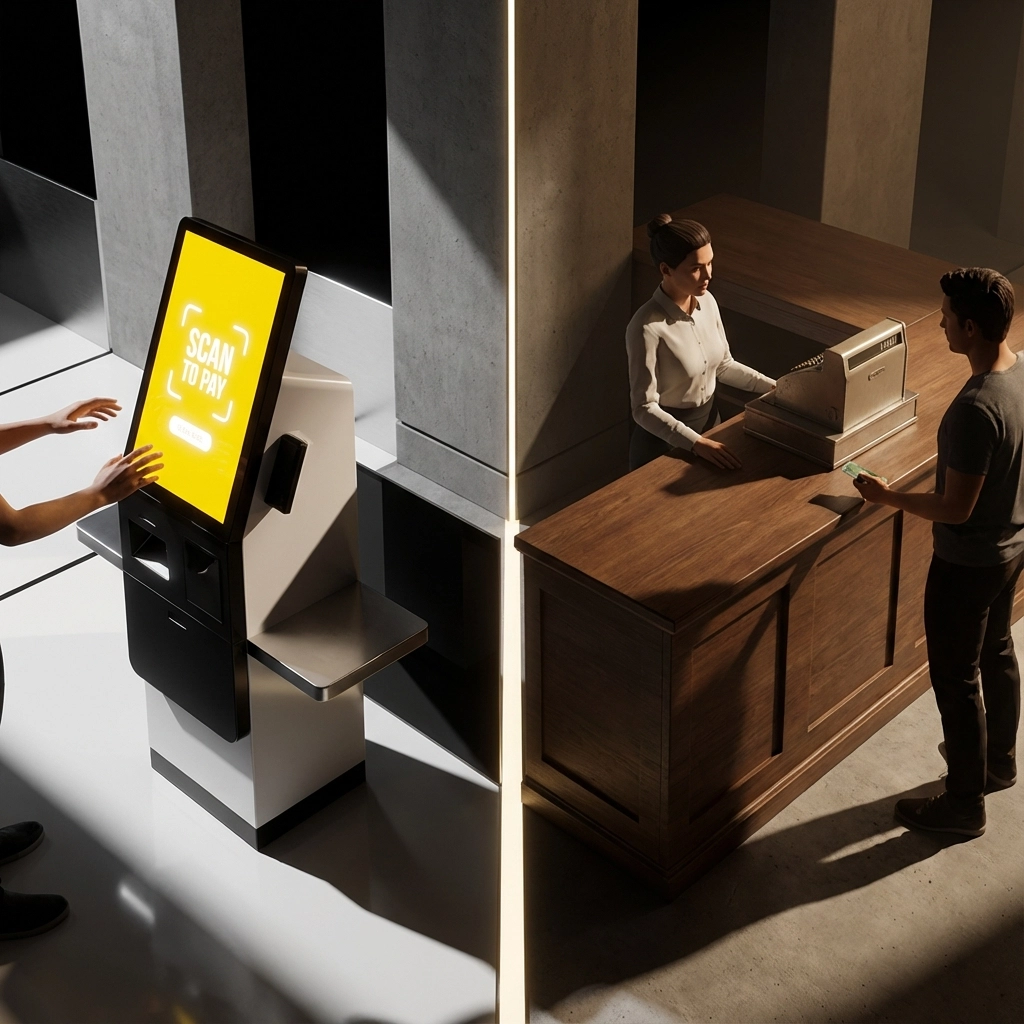
Let's talk about what customers actually want, because that's where things get really interesting. About 43% of shoppers, including more than half of those aged 18 to 44, actively prefer self-checkout. They love the control, the privacy (nobody judging their frozen pizza choices), and yes, the speed.
Here's a stat that might surprise you: 85% of consumers believe self-checkout is faster than using a traditional cashier. But here's where it gets tricky: belief doesn't always match reality.
The generational divide is real and telling:
• Younger shoppers embrace the technology and want more control over their shopping experience
• Older customers often find the systems frustrating and prefer human interaction
• Families with large carts tend to avoid self-checkout due to complexity
• Quick-trip shoppers love the convenience for small purchases
The retreat from pure self-service isn't about admitting defeat: it's about recognizing the real challenges that come with the technology. Retailers have discovered some uncomfortable truths:
Shrinkage and theft have increased significantly in stores heavily reliant on self-checkout. When you remove human oversight, some customers get creative with their pricing. That organic avocado might suddenly become a regular one, if you know what we mean.
Technology hiccups create bottlenecks that defeat the entire purpose. Anyone who's stood behind someone struggling to scan a stubborn barcode knows this pain. Produce items without barcodes? That's a guaranteed delay while customers hunt through digital menus.
Labor cost savings aren't always real. You still need staff to monitor self-checkout areas, help with problems, and handle age-restricted items. Sometimes you end up with the same labor costs but frustrated customers.
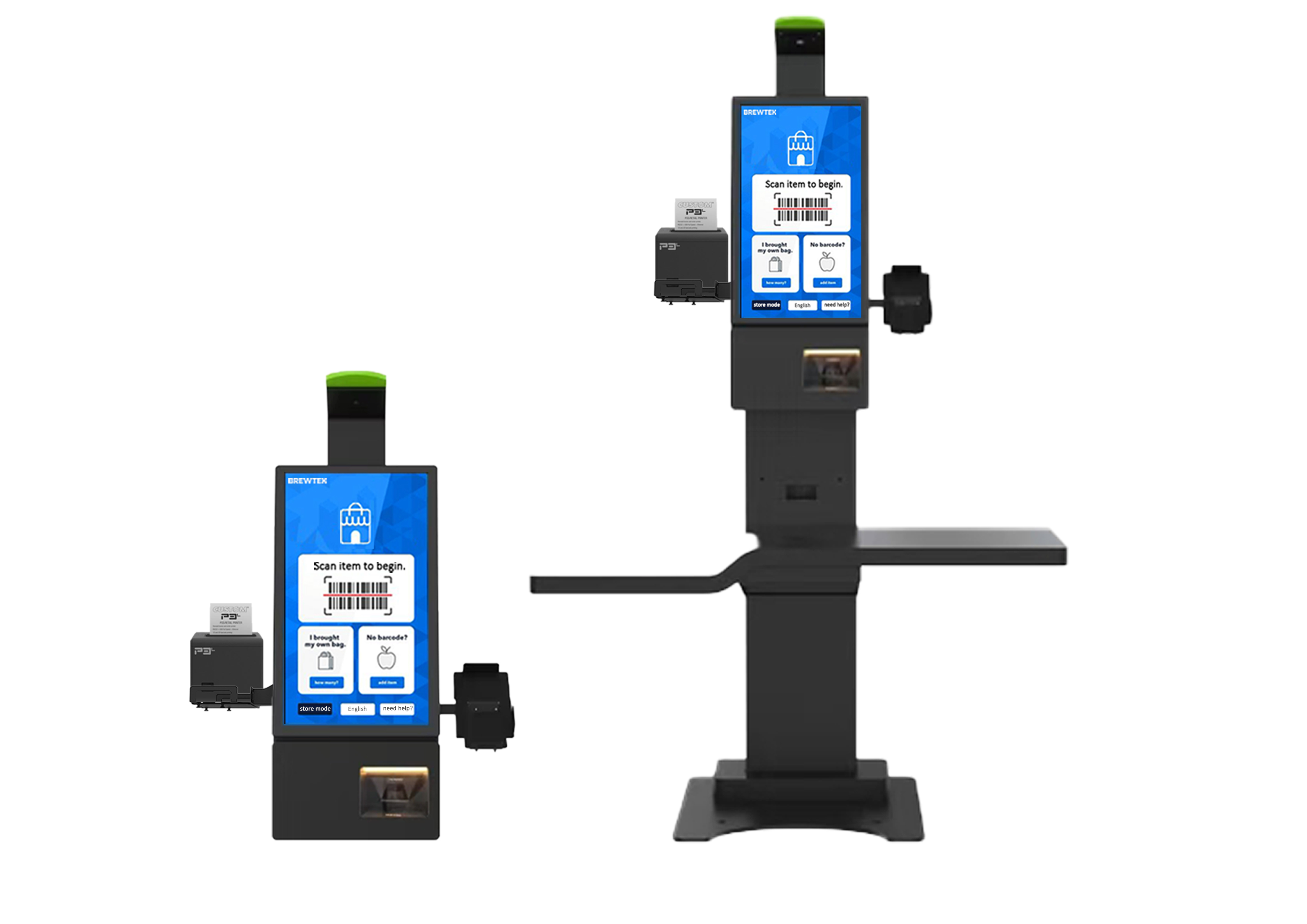
Let's be honest about the current state of self-checkout technology. While it's come a long way, it's not perfect. Grocery retailers particularly struggle with produce sections: try explaining to a kiosk the difference between red and yellow bell peppers when they're priced differently.
The most successful implementations happen in environments with:
• Consistent product types (convenience stores, pharmacies)
• Clear pricing structures (minimal produce or bulk items)
• Tech-savvy customer bases
• Strong loss prevention measures
This is where hardware quality makes all the difference. Reliable, intuitive kiosk systems can make or break the customer experience.
Instead of choosing sides in the checkout wars, smart retailers are embracing a blended approach that gives customers choice while optimizing operational efficiency. Think of it as the "having your cake and eating it too" strategy.
Some winning hybrid strategies include:
• Item limits for self-checkout (10 items or fewer)
• Express lanes with human cashiers for quick transactions
• Mobile checkout solutions that let customers scan as they shop
• Smart carts that handle scanning automatically
• Staffed self-checkout zones with immediate human help available
Hy-Vee made headlines by replacing self-checkout with "Express Lanes" at some locations, but they're not abandoning self-service entirely: they're optimizing for their specific customer base and store formats.
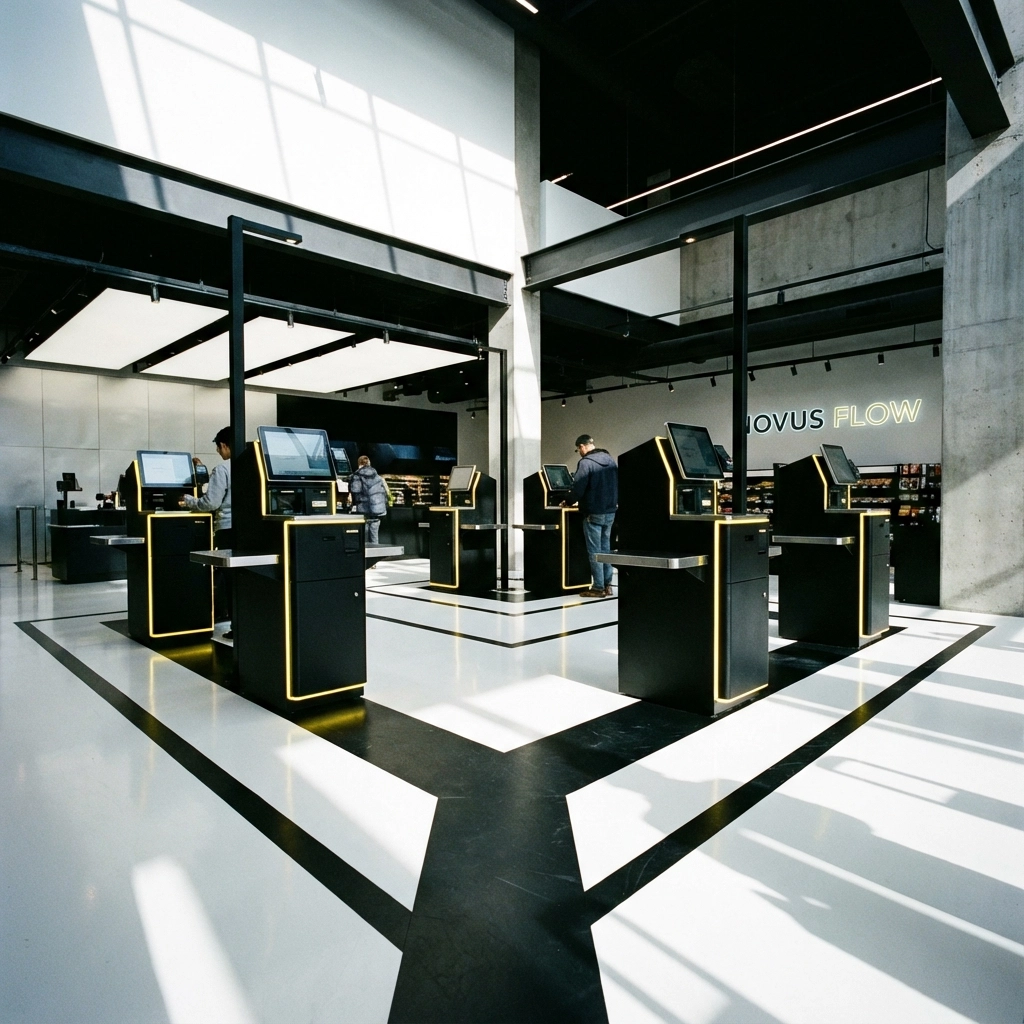
If you're a retailer trying to navigate this landscape, the key isn't choosing between traditional and self-service: it's about understanding your customers and optimizing for their preferences.
Consider your typical customer journey:
• Convenience stores benefit from fast, reliable self-checkout for grab-and-go purchases
• Grocery stores need flexible solutions that can handle both small and large transactions
• Quick service restaurants can streamline ordering with intuitive kiosk interfaces
• Specialty retail might prioritize human interaction for complex purchases
The magic happens when you match the right technology to the right use case with hardware that actually works reliably day after day.
This is where reliable, well-designed kiosk hardware becomes crucial. At BK Touch, we've seen firsthand how the right technology can transform customer experiences without sacrificing the human element that makes retail special.
Our self-checkout solutions are designed with real-world challenges in mind:
• Intuitive interfaces that reduce customer frustration
• Robust hardware that minimizes downtime and maintenance
• Flexible configurations that adapt to different retail environments
• Integrated security features that help reduce shrinkage
Whether you're looking to implement your first self-service solution or upgrade existing systems, the key is choosing technology that enhances rather than replaces the customer experience.
Are traditional checkout lines dead? Absolutely not. But they're evolving alongside self-service technology to create more flexible, customer-centric retail experiences.
The retailers winning this transformation aren't the ones betting everything on a single checkout model: they're the ones thoughtfully integrating multiple options to serve their customers better. The future of retail checkout isn't about replacing humans with machines; it's about using technology to make both customers and employees more successful.
Ready to explore how the right checkout technology can transform your retail operation? Contact BK Touch to discover kiosk solutions designed for real-world success. Let's build a checkout experience that works for everyone: customers, employees, and your bottom line.
Bolder > Boundless > Better > Kiosk.


