



Self-checkout systems promise to revolutionize your store operations, but here's the thing, most retailers are setting themselves up for failure before they even flip the switch. You're not alone if your self-checkout rollout turned into a customer service nightmare or a profit-draining security risk.
After working with hundreds of retailers who've navigated these waters (and watching plenty crash into the rocks), we've identified the seven most common integration mistakes that can make or break your self-checkout success. The good news? They're all fixable with the right approach.
Here's a costly reality check: jumping into self-checkout without considering financial compliance is like building a house without permits. Many retailers assume compliance requirements are someone else's problem, but Bank Secrecy Act (BSA) and Anti-Money Laundering (AML) regulations apply to your business the moment you process payments.
The Fix: Get your compliance ducks in a row before installation day. Partner with providers who understand regulatory requirements and can guide you through the process. The best self-checkout partners don't just sell you hardware, they help you build compliant systems from day one. Trust us, it's much cheaper than dealing with regulatory holds that can freeze your operations for weeks.
Picture this: your self-checkout shows one price, your inventory system shows another, and your loyalty program doesn't recognize the customer. Sound familiar? Poor system integration creates a fragmented experience that confuses customers and frustrates staff.
Your self-checkout isn't an island, it needs to talk seamlessly with your POS system, inventory management, and customer programs. When systems don't sync in real-time, you get pricing discrepancies, oversold inventory, and customers who can't redeem their hard-earned loyalty points.
The Fix: Demand real-time synchronization across all your systems. Before you commit to any solution, test the integration thoroughly. Make sure pricing updates instantly, inventory reflects accurately, and loyalty programs work flawlessly. Your customers shouldn't have to jump through hoops to use their rewards.
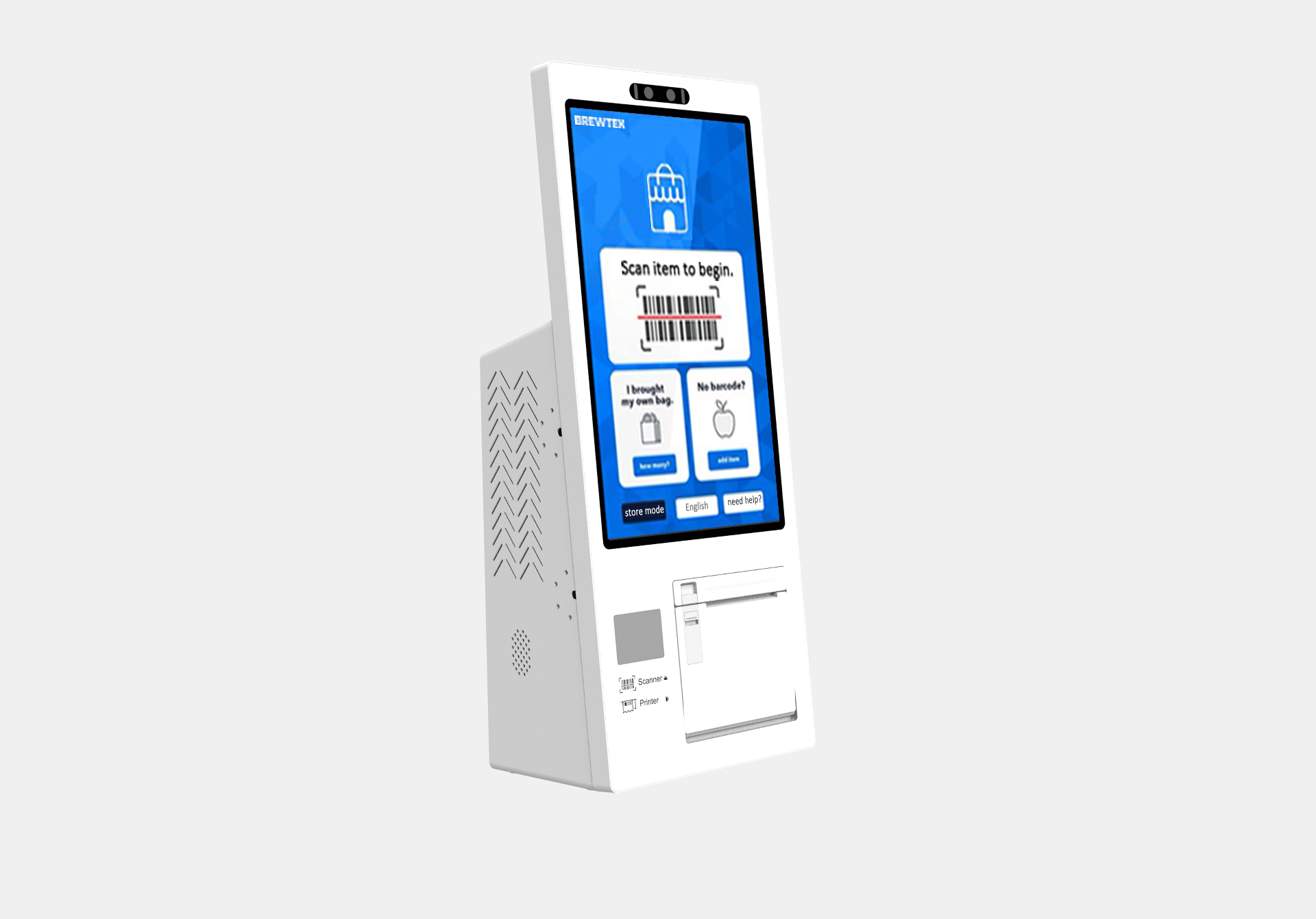
Self-checkout systems aren't "set it and forget it" solutions, despite what some salespeople might suggest. Like any technology, they need regular updates, bug fixes, and equipment maintenance to keep running smoothly.
Too many retailers install their systems and assume they'll run perfectly forever. Then reality hits: software glitches, hardware failures, and system crashes that bring operations to a grinding halt.
The Fix: Build maintenance into your budget and operational planning. Choose a provider that offers comprehensive ongoing support, not just installation services. Look for partners who provide regular software updates, prompt repair services, and proactive system monitoring. Downtime costs you more than maintenance ever will.
Let's address the elephant in the room, self-checkout theft is real, and it's expensive. From the classic "oops, I forgot to scan that expensive item" to sophisticated barcode swapping schemes, shrinkage at self-checkout stations typically runs higher than traditional checkouts.
But here's where many retailers go wrong: they either ignore the problem entirely or implement such heavy-handed security measures that they drive customers away.
The Fix: Strike the right balance with smart security measures. Invest in quality camera systems positioned strategically around checkout areas. Use weight verification technology that catches discrepancies without creating friction for honest customers. Most importantly, ensure adequate staff oversight: visible employees deter theft while helping legitimate customers navigate any issues.

Nothing's more frustrating than watching customers pile up at self-checkout stations while traditional lanes sit empty. This usually happens when retailers don't account for the reality of self-checkout processing times and complexity.
Age verification for alcohol, produce code lookups, and technical glitches can turn your "express" checkout into a traffic jam. When you have one employee trying to manage ten stations, those small delays multiply into major customer service problems.
The Fix: Implement smart traffic management strategies. Consider item limits for self-checkout lanes: many successful retailers cap it at 10-15 items to keep things moving. Explore card-only policies for self-checkout to eliminate cash handling delays. Most crucially, staff appropriately. One employee per six to eight stations is usually the sweet spot for maintaining good customer flow.
Your employees make or break the self-checkout experience. Yet many retailers provide minimal training and expect staff to figure it out as they go. This creates a perfect storm: undertrained employees can't help customers effectively, leading to frustrated shoppers and abandoned transactions.
Remember, self-checkout doesn't eliminate the need for employee interaction: it changes the type of interaction. Your staff becomes troubleshooters, helpers, and security monitors all at once.
The Fix: Invest in comprehensive employee training that covers both technical operations and customer service skills. Train your team on common issues like produce codes, coupon processing, and age verification procedures. Create clear protocols for handling technical problems and customer complaints. Well-trained employees can turn a potentially negative self-checkout experience into a positive one.
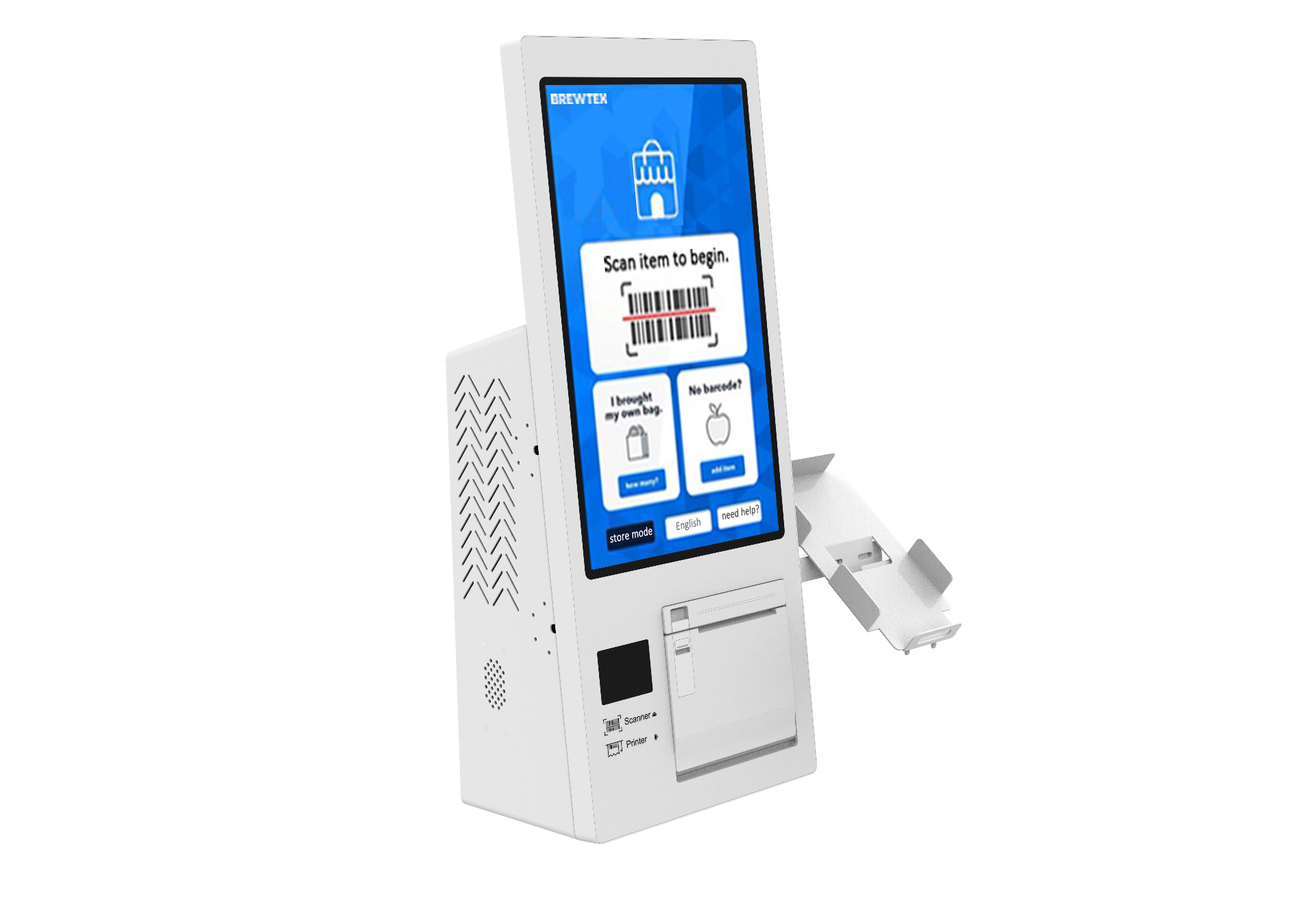
The biggest self-checkout mistake might be assuming all customers are tech-savvy and patient. Complex interfaces, unclear error messages, and systems that lose customer data during validation errors create unnecessary friction and checkout abandonment.
When customers struggle with your self-checkout system, they don't blame themselves: they blame your store. Poor user experience turns a convenience feature into a customer retention risk.
The Fix: Prioritize intuitive design and error recovery. Choose systems with clear, simple interfaces that minimize manual input requirements. Ensure error messages are helpful, not cryptic. Most importantly, design systems that preserve customer progress when technical issues occur: nobody wants to start over after scanning twenty items.
When validation errors happen (and they will), your system should remember what the customer has already scanned rather than forcing them to begin again. This single feature can dramatically reduce checkout abandonment rates.
Self-checkout integration doesn't have to be a gamble. When you avoid these seven critical mistakes, you set yourself up for success from day one. The key is treating self-checkout as a comprehensive business strategy, not just a hardware purchase.
The best self-checkout implementations enhance both customer experience and operational efficiency. They reduce wait times for customers who want speed and convenience while freeing up your staff to provide personalized service where it matters most.
Ready to implement self-checkout the right way? BK Touch specializes in seamless self-checkout integration that avoids these common pitfalls. Our solutions combine cutting-edge technology with practical business sense, ensuring your investment pays off from day one.
Don't let these mistakes derail your self-checkout success. Get it right the first time, and watch your customers: and your bottom line( thank you for it.)


